
Landing Page Optimization Tip: White Space Improves User Experience

Make sure there is white space in your landing page (optimization). This improves the user experience and makes your call to action stand out. White space (negative space) is any portion of a page that is left unmarked — the empty space on a page. In design terms, white space can be defined as the space between text, margins, columns, graphics, and any other page elements. White space increases readability, Improves focus, and again…enhances user experience.

Your call to action button (link) should be 20% larger than your logo (depending on the size of your logo). Place button at top of page (left). Web readers tend to track through content in a rough “F-shaped” pattern. So format important images flush left. Display the secondary action below the primary action. Make it obvious which button to click to complete an action. By using white space in your copy, you’re able to de-clutter the text, allowing the visitor to have a more enjoyable reading experience. Finding the right balance of your white space is key to converting website visitors into paying customers or new clients.

 

The Importance of Basic Content Marketing in 2022

Besides driving traffic to your company’s website, good sticky content reinforces your brand – The brand becomes a more noticeable name online as people share your content and start commenting on it, retweeting it, and helping it to build trust. These effects “gel” over time and you will see the website traffic increase, SEO benefits (rank higher on Google) and hopefully a conversion (website funnel strategy) in the end. Strong pieces of content can help you become more visible online, both on search engines and in social media. Your social media platforms are one of the best ways to connect and share content with your target audience.

Content creation success is measured many ways including:

– Spike in visitor traffic and page views on a specific content post.
– The number of Shares, Likes, Pins, ReTweets on Social Media.
– Media mentions and stories covering your business or firm.
– Website ranking (SERPs) increase.
– Conversions. Actual product sales or new clients (example: Financial Services).

If you lack the resources for generating content, outsource to an agency or freelancer for help. The basic purpose is to create content and try to post at least 2-3 times per week. Content is scalable and you can add as needed or when more resources become available. Content Marketing is important! Without it, you’re going to struggle to attract the attention you need to collect leads and convert them into sales or clients!

Financial Advisors: Optimizing Your Website for Mobile in 2022

First thing to do is ask whether mobile visitors are interacting with your website differently than desktop users? It’s important for your website to work well on mobile devices, so if you haven’t yet invested in making your website mobile-friendly, it’s time to do so

Mobile optimized websites tend up higher in search results. With the rise if modern more powerful smartphones and tablets, mobile searches make up more than half of searches on Google.com.

  • Go into Google Analytics and segment out the mobile traffic. The mobile segment might include Tablet traffic so be aware of that figure. Once you have the data, focus on landing pages, conversion rate, and where people leave the conversion funnel. Optimize accordingly.

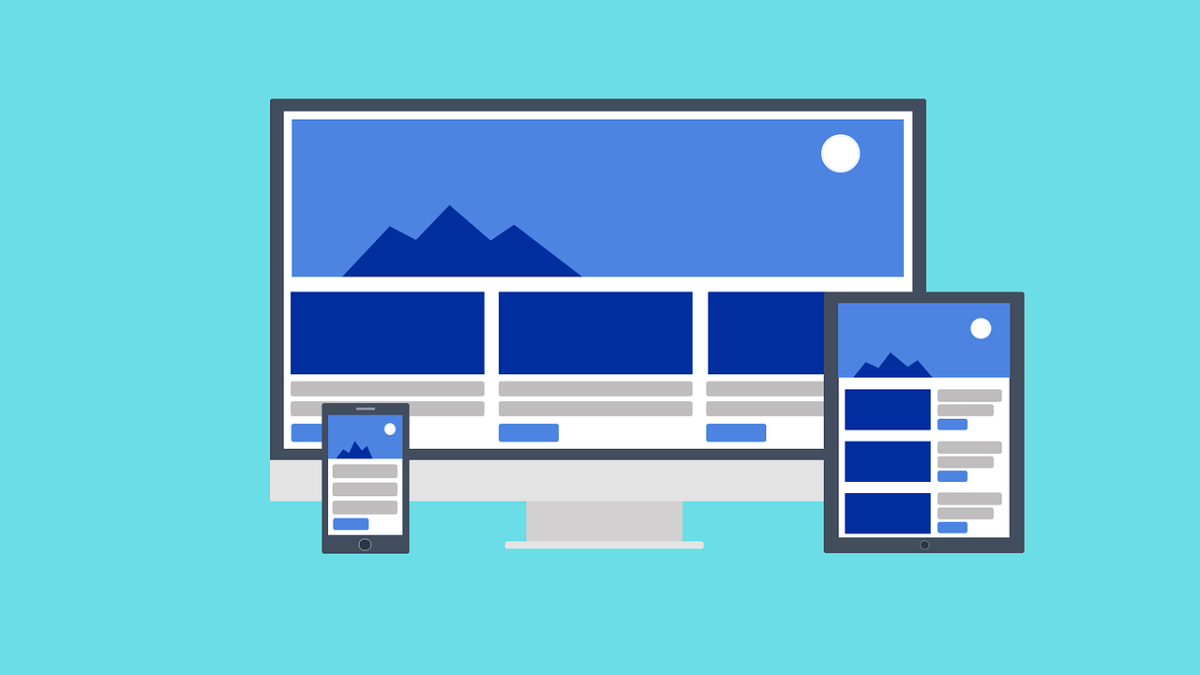
Responsive web design has made it possible to create sites that work across all platforms on an even play level. Mobile optimization has begun to gain credence as a potentially preferable strategy now in 2021. Instead of simply compressing and slightly rearranging the content on the screen, you design the entire experience for smaller screens. A good basic mobile optimized website should include the following:

  • Keep layouts simple and invest in responsive theme templates.
  • Use large, mobile-friendly calls-to-action and links.
  • Use large, easy-to-read text.
  • Keep forms as short as possible.
  • Clearly display your CTAs. Your CTA needs to focus on that primary goal.
  • Avoid large blocks of text and choose the right font.
  • Use large, clear images or buttons and reduce file sizes. Buttons need to be large enough to be tapped with a finger. Make sure you keep enough space between buttons so someone doesn’t accidentally click the wrong one.
  • Simplify your menus including the Search function.

Finally, prioritize speed. The best way to keep your page speed loading time as low as possible is by simplifying your design.

Tip: Its always a good idea to add a mobile XML sitemap and submit it to Google and Bing. Although, if the website is responsive, it’s not necessary to have the separate XML sitemaps for Mobile. I don’t think it’s not required as per Google’s guideline. When there are pages of similar content on desktop and mobile, they need to be interlinked by canonical tags so that google knows what is the alternative page for that, and automatically crawl and give equal importance to the other page which is still not there on the sitemap.

Social Media Analytics for Financial Advisors in 2022

Data analytics have always been a Financial Advisor’s best friend. Social Media analytics tracks your online campaign’s progress, helps you better allocate your time, and you get to see a bigger part of the whole picture. The core of social media analytics is the actual gathering and analyzing of marketing and audience (persona) data upon which you’ll base business decisions.

Social Media analytics are a treasure trove of “potential” client acquisition insights you can’t find anywhere else. Analytic tools such as Google Analytics, Hootsuite, Hubspot, Sprout Social, TapInfluence, Keyhole measure exactly the Social Media marketing campaign’s ROI. The takeaway from all of these tools? It’s the difference between running data-driven campaigns that result in a positive ROI versus just winging it. If your not measuring your Social Media efforts, your wasting valuable marketing time.

Data-driven Social Media insights lead to Financial Advisor prospecting ideas that lead to more efficient prospecting activities.

Basic Content Creation Strategy for Financial Advisors in 2022 (updated)

Keep it simple but make sure its thorough! Content Strategy Answers the Question ‘Why’ You’re Publishing Content.

  1. Understand your firm and how it works. Clients and brand considerations. What do you specialize in? Retirement? Wealth Management? Trusts? Client demographics. The specialization (client persona demographics) will dictate the kind of content you should plan to generate.
  2. Collect data. Competitive analysis, Keywords, Customer (client) research.
  3. Audit your website. Google Analytics. Traffic data. Conversion and bounce rates, etc. SEO metrics.
  4. Prospect company’s key influencers and where your customers or potential live online. Do they live on Twitter? Facebook? Do you think they would gravitate to you via another platform such as YouTube if you made instructional financial videos? or maybe subscribing to a Podcast?
  5. Create useful, exceptional content (blog posts, landing pages, contact forms, eBooks, videos, infographics, case studies) according to steps 1-4. Rank them in importance and create content accordingly. Ensure that editorial standards are being followed. Make sure the content is compliant if you are a Financial Advisor. Pictures and videos should be high-resolution.
  6. Measure content performance. Google & Social Media Analytics. A/B testing, etc.

If you lack the resources for generating content, outsource to an agency or freelancer for help. Content strategy is the foundation on which successful content marketing is built. Content marketing is the journey towards success, content strategy is the blueprint that directs it.

What is your Brand’s Story? Are You Prepared to Capitalize on it?

The best way to get into the press is by having an amazing brand story. Once you figure out your Brand’s story, its time to dial-in the digital marketing aspect. Time to get some media attention. Start building relationships (example: Twitter) with Journalists before you need them. Distribute Press Releases. Create a website Resource Center for media. Write guest articles. Make Podcast appearances.

Now its time to capitalize on it! The next biggest thing you need to figure out is where your readers & visitors are going to go after hearing about your company (brand) product or services. The target should be company website or specific landing page. The focus should be on a conversion strategy and website funnel design. Ideally, this should be figured out and created BEFORE seeking media coverage. Once everything is in place and the website conversions play out out, its manifest destiny.


Why Small Business (SMB) Needs To Get On Facebook in 2021

If you are a small business (SMB) and you don’t have a Facebook business page, its time to create one as your losing out on possible new customers, leads and clients! Having a Facebook business page makes it easier for people to discover and interact with your brand online. I posted an article way back in 2015 on “Facebook Ad Tips” which I plan on updating soon. 

A great article resource on “How to Create a Facebook Business Page in 7 Easy Steps” is over here on Hootsuite.

Below are some compelling statistics on why every small business (SMB) should at least have a basic business page on Facebook.

Facebook has 2.74 billion monthly active users

Facebook is the world’s third-most visited website

Facebook users spend 34 minutes per day using the platform

42% of businesses on Facebook are based in the suburbs

18.3% of U.S. adults made a purchase through Facebook in the last year

⅔ of Facebook users visit a local business Page at least once a week


Drive Website Traffic Home with Content

My best advice for new website owners: Just write!

It doesn’t matter how much content. Long form or short micro form (1-3 quick sentences and a great image to go along with the article). Complete your thought process before publishing. Don’t over stuff it with keywords and spam. Just write good, quality, sticky content. Write ideas down on paper & pad when creativity  and new ideas hit you. You can always go back to the content you wrote down on paper and flesh them out when creating a blog post.

Content is king, especially when first starting out. Don’t get overwhelmed by all the SEO tricks and page optimization guidelines. Fresh content increases search engine rankings (SERPs) and traffic as well as getting quality links from other sites. If there’s not enough relevant content for your brand or business, it pretty much defeats the purpose of having a website in the first place.

Write the content first, grab a solid image that will go around the content theme. Once its up in “draft” mode and completed, pick the SEO low hanging fruit and edit:

    • Add a few keywords that sum up your article theme and target audience. Don’t spam keywords.
    • Make sure your images are catchy, contextual, and load fast.
    • Add basic Meta tags like Title Tag, and Meta Description Tag. You can go back and add more fine tune the other type of tags such as Meta Keywords Attribute, rel=”canonical” Link Tag, etc., when you get time.

The basic purpose is to create content and try to post at least 2-3 times per week. Keep iterating. Keep in mind that as you build this habit, the more easier it becomes as well as the quality of the article post. Once a new article post is published, make sure to “share” on on social media platforms like Twitter, Facebook, and LinkedIn.

Financial Advisors: Use Twitter’s Referral Traffic to Convert Prospects into Clients

Twitter should be part of your firm’s marketing strategy. There are a tremendous number of potential clients out there on Twitter looking for Financial Advisor (advice) help. As social media continues to increase with financial advisor usage – Advisors are using platforms such as Twitter as a powerful tool in increasing traffic back to their respected website.

Twitter is a tremendous source of delivering traffic to your website and hopefully (with the help of a superb website funnel) will convert them into quality leads. Twitter is an attractive channel for Financial Advisors (see statistics below) to not only reach prospective clients, but to nurture relationships with existing clients as well.

    • Around one-in-five U.S. adults (22%) say they use Twitter
    • According to 90% of marketers, their social media (Twitter included) marketing efforts have increased the exposure of their business, and 75% say they’ve increased traffic.

Dedicate a small portion of your day on Twitter promoting your firm’s original content as well as engage with users looking for financial advice. If your busy with current clients and have no time for social media marketing, hire a freelancer that specialized in FINRA & SEC compliant best practices.