Prioritizing Visibility: Why Google Business Profile Comes Before Facebook for SMBs

The digital age has transformed how businesses operate, making a solid online presence essential for small and medium enterprises (SMBs). Here is an argument for why an SMB should focus on building a Google Business Profile before a Facebook business profile:

  1. Visibility and Search Relevance: Google is the most popular search engine worldwide, making a Google Business Profile a powerful tool for enhancing your visibility to potential customers. When people search for a business or service similar to yours on Google Search or Google Maps, your Google Business Profile could make you one of the first options they see. While Facebook is a popular social network, it’s not the first place most people go when looking for a local business or service.
  2. Local SEO: Google Business Profile is crucial for local search engine optimization (SEO). When you set up your profile, you’ll provide details about your business, like the address, hours of operation, and services offered. Google uses this information to match your business with local search queries, which could give you a significant advantage over businesses without a Google Business Profile.
  3. Insights and Analytics: Google provides robust insights and analytics to help you understand your customer behavior, like how customers find your business, what keywords they’re using, and how many call your business directly from the search results. While Facebook also offers analytics, they focus more on social engagement than search behavior.
  4. Reviews and Ratings: Google reviews can significantly influence a consumer’s decision to choose your business over others. A Google Business Profile allows customers to leave reviews and rate your business directly in Google Search and Maps, offering immediate visibility to potential customers. Facebook has a similar feature, but as previously mentioned, consumers are more likely to search for businesses on Google than on Facebook.
  5. Integration with Other Google Services: Your Google Business Profile integrates seamlessly with other Google services, including Google Maps and Google Ads. This integration means you can easily set up advertising campaigns to target local customers, and people can get directions to your storefront directly from your business profile.
  6. Virtual Tour and Images: Google Business Profile allows you to upload images and even a virtual tour of your business, which can give potential customers a better sense of what to expect and could make them more likely to choose your company.
  7. It’s Free: Setting up a Google Business Profile is free, making it a cost-effective way to increase your online presence and reach potential customers.

While a Facebook business profile can be a valuable tool for reaching and engaging with your audience, an SMB just starting out should prioritize creating a Google Business Profile. The visibility, local SEO benefits, integration with Google services, insights and analytics, and potential for customer reviews make it a powerful tool for turning potential customers into actual ones.

Leveraging the Power of Reddit for Genuine Search Results: A Better Way to Find Real Experiences

Over the last couple of decades, the internet has transformed from a frontier filled with random homepages and discussion forums to a realm dominated by large corporate entities. One of these giants, Google, has become the go-to resource for anyone seeking answers to any question imaginable. It’s a powerful tool, but its omnipresence has led to some unintended consequences. An increasing number of users have grown disenchanted with the search results, which are often filled with sponsored content and sites that have mastered the art of ‘gaming the system’.

In this era of search engine optimization (SEO), many websites are prioritizing keywords, meta tags, and link-building strategies above actual content. This, combined with Google’s paid advertisement model, often places such content prominently on the search result pages, pushing down the genuine experiences and wisdom shared by real people.

Enter Reddit, an online community often termed ‘the front page of the internet’. Could appending “Reddit” to the end of your Google search query offer a viable alternative? Could this route allow you to tap into real experiences rather than marketing-speak? Let’s delve into this further.

A Community of Real Experiences

Reddit is home to a vast array of user-created communities called ‘subreddits’, each catering to specific topics, niches, and interests. The magic of Reddit lies in its focus on actual user experiences, discussions, and insights. Each post and comment represents a slice of someone’s life, offering genuine and often unique insights that traditional search results may not provide.

When you append “Reddit” to your Google search query, the search engine will prioritize results from Reddit’s numerous subreddits. In doing so, you’re more likely to encounter answers and discussions from real individuals who’ve experienced or studied your topic of interest.

Why This Works

Unlike many sites aiming to optimize for Google’s algorithm, the content on Reddit is organic and user-generated. The voting system allows quality content and helpful responses to rise to the top, meaning you’ll likely encounter genuine insights before corporate-sponsored content.

Top 10 technical bullet points comparing the top 10 search results when “Reddit” is appended versus a standard Google search:

  1. Nature of Content:
    • Standard Google Search: Dominated by commercial websites, blogs, news, and sponsored content.
    • Reddit-appended Search: Dominated by user-generated content, discussions, and firsthand experiences.
  2. Authenticity of Information:
    • Standard Google Search: Information often tailored to fit SEO practices, potentially compromising authenticity.
    • Reddit-appended Search: Information derived from real-world experiences, making it more genuine.
  3. User Engagement:
    • Standard Google Search: Less direct user engagement. Most sites allow limited user comments, if at all.
    • Reddit-appended Search: High user engagement. Users contribute to the content through upvotes, comments, and discussions.
  4. Presence of Sponsored Content:
    • Standard Google Search: High likelihood of encountering sponsored content and ads.
    • Reddit-appended Search: Minimal to no sponsored content in the search results.
  5. SEO Optimization:
    • Standard Google Search: Content often heavily SEO-optimized, potentially affecting the quality of information.
    • Reddit-appended Search: User-generated content with less emphasis on SEO, leading to more natural language and genuine insights.
  6. Real-time Updates and Trends:
    • Standard Google Search: Content may not always reflect the most recent trends or real-time events.
    • Reddit-appended Search: Due to the community-driven nature, content is frequently updated and often reflects current trends and events.
  7. Depth of Discussion:
    • Standard Google Search: Limited depth of discussion, as content is often one-sided from the author’s perspective.
    • Reddit-appended Search: Provides depth of discussion, with multiple perspectives offered by various users.
  8. Subjectivity vs Objectivity:
    • Standard Google Search: May lean towards objectivity, as most content is generated with a broad audience in mind.
    • Reddit-appended Search: May contain both subjective (personal experiences) and objective (fact-based) content, providing a more holistic view.
  9. Link Diversity:
    • Standard Google Search: Results often include multiple pages from the same domain.
    • Reddit-appended Search: Each result is usually a unique discussion thread, providing a wider array of information sources.
  10. Easily Identifiable Bias:
    • Standard Google Search: Bias in content can be concealed or difficult to identify.
    • Reddit-appended Search: Any potential bias is often openly addressed or challenged by other users in the discussion.

Bridging the Gap

A typical concern about relying on Reddit for information is the potential for misinformation or lack of authority. However, many subreddits enforce strict moderation policies and have experienced users who can quickly correct false information. Furthermore, it’s important to note that the answers found on Reddit are not a substitute for professional advice but rather a complement, providing diverse perspectives and real-world experiences.

Here are some critical aspects that ensure the reliability of the information obtained from Reddit:

  • Community Moderation: Many subreddits enforce strict moderation policies, ensuring the information shared is relevant and accurate.
  • User Corrections: Experienced Reddit users are quick to correct false information, promoting the accuracy of discussions.
  • Diverse Perspectives: Reddit’s user base is incredibly diverse, bringing a broad range of insights to any given topic.
  • Upvote System: The upvoting system on Reddit ensures the most helpful and popular content rises to the top, making it more visible in search results.

Remember, while Reddit can provide real-world experiences and diverse perspectives, it should complement, not replace, professional advice.

The Future of Online Search

The practice of appending “Reddit” to Google searches signals a shift in how we approach online search. It’s an open rebellion against the corporatization of information and a return to the internet’s early ethos: a place where real people share real experiences and wisdom.

This strategy is not an end-all solution to the issues plaguing online search, but it is a step toward prioritizing genuine, user-generated content over commercialized content. The hope is that this practice encourages a broader conversation about the future of online search and promotes a more people-centric, authentic internet.

In conclusion, appending “Reddit” to your Google search term offers an alternative way to find better, genuine, actual answers to your search results. It serves as a refreshing reminder that behind every search query, there are real people with real experiences waiting to be discovered.

The Unexpected Consequence of AI in SEO: A Web of ‘Garbage’ Text

The landscape of online search is becoming increasingly cluttered. As the race to optimize for Search Engine Optimization (SEO) accelerates, the quality of content found on Google and across the internet is deteriorating. A growing trend has seen the utilization of artificial intelligence (AI) tools to generate blog content packed with SEO keywords. These blogs, however, are not intended for human eyes; their primary audience is Google’s web-crawling robots.

Entities across a wide array of sectors are finding themselves having to invest considerable time and resources to tailor their online presence for Google Search. To streamline this often frustrating and time-consuming process, many resort to AI tools, contributing to an explosion of computer-generated content specifically designed to manipulate search algorithms.

This trend contributes to the degradation of Google’s principal product, Search. The widespread adoption of AI tools to generate a mass of SEO-oriented content is a cause for concern. For instance, e-commerce platforms have even launched AI features that allow creating product descriptions using keywords, adding to the surge of low-quality content—dubbed ‘SEO chum’—on the web.

These AI tools generate unique content, a strategy that appeals to Google’s preference for non-duplicate content. Despite this optimization effort, there is a keen awareness of maintaining quality in certain sectors, such as advice articles, where AI is eschewed in favor of human authorship.

The dependence on Google for online visibility has led to a constant cycle of content creation, frequently resulting in unnecessary or superfluous text. SEO has become a necessary, if not always welcome, component of online strategy. High costs often prevent entities from hiring SEO consultants or marketing agencies, intensifying their reliance on AI tools.

The importance of navigating Google’s SEO landscape has grown as other online advertising channels, such as social media platforms, become less effective. This shift has amplified the essential role of Google Search in the online ecosystem.

Despite these efforts, much of the SEO-optimized content remains tucked away in rarely visited corners of websites. The content, often nonsensical or bizarre to human readers, is solely designed to cater to Google’s algorithms. This situation has created an ecosystem where entities from all sectors endlessly generate more content just to be visible. Those searching for information and those trying to be found are ensnared in a seemingly never-ending cycle of creating and consuming ‘garbage’.

The current state of the online world seems untenable in the long term. While it is difficult to recall a time before the race for SEO, there’s a growing sense of unease about the sustainability of this trend. The increasing use of AI tools has led to a strange dance between entities and Google, all grappling with the ramifications of this keyword-focused contest. The future of the internet and online search could well hinge on how these challenges are navigated.

Under the Hood: A Beginner’s Exploration of Advanced Website Optimization Techniques

Website optimization may seem daunting for a novice web developer, but it’s much like understanding a car. Beneath a website’s surface is a network of advanced optimization strategies, all geared toward enhancing performance and user experience. Here, we’ll dive under the hood, illustrating these strategies with tangible examples and success metrics.

The Engine: Website Architecture

Imagine your website’s architecture as the engine. It’s the framework of your web pages and their interconnections. Take, for instance, Amazon’s site structure. The user-friendly design ensures visitors can access any product within three clicks from the home page. This intuitive architecture aids in SEO ranking and provides a seamless user journey, consequently reducing bounce rates.

Consider your website’s hierarchy, designing it so the critical pages are just a few clicks away from the home page. Employ breadcrumb navigation, as done by many e-commerce sites, and robust internal linking like Wikipedia. Doing so can increase the time spent on your site, a critical metric for site performance and SEO ranking.

The Transmission: Page Speed and Loading Time

Consider page speed and loading time as the transmission of your website. A great example is BBC, which cut its website’s loading time to under 2 seconds. As a result, they saw an increase in user retention. Slow loading times can push users away, affecting your user experience and SEO.

Improve page loading times by leveraging browser caching, minifying CSS, JavaScript, and HTML, and optimizing images. Implement a Content Delivery Network (CDN), as Netflix did to deliver high-quality content swiftly worldwide. Google’s PageSpeed Insights can be a valuable tool for testing your site’s performance and identifying areas for improvement.

What are the benefits of using a CDN?
    1. Improving website load times – By distributing content closer to website visitors using a nearby CDN server (among other optimizations), visitors experience faster page loading times. As visitors are more inclined to click away from a slow-loading site, a CDN can reduce bounce rates and increase people’s time on the site. In other words, a faster website means more visitors will stay and stick around longer.
    2. Reducing bandwidth costs – Bandwidth consumption costs for website hosting is a primary expense for websites. Through caching and other optimizations, CDNs can reduce the amount of data an origin server must provide, thus reducing hosting costs for website owners.
    3. Increasing content availability and redundancy – Large traffic or hardware failures can interrupt normal website function. Thanks to their distributed nature, a CDN can handle more traffic and withstand hardware failure better than many origin servers.
    4. Improving website security – A CDN may improve security by providing DDoS mitigation, improvements to security certificates, and other optimizations. A good CDN (for example) is Cloudflare.
The Wheels: Mobile Optimization

Mobile optimization is the wheels of your site, driving you towards a vast mobile audience. An example to follow is Shutterfly, a photo-publishing service that designed its website to be mobile-responsive, leading to increased user engagement and conversions.

Implement a responsive design that adapts to various screen sizes and resolutions, enhancing your mobile user experience. Use tools like Google’s Mobile-Friendly Test to ensure your site is optimized for mobile viewing.

The GPS: SEO Techniques

SEO is your website’s GPS, guiding users to your site. Take the case of Airbnb. Their effective use of keyword placement, meta tags, and high-quality content has made them a top result in numerous travel-related search queries.

Keeping abreast with SEO best practices and algorithm updates can steer your website toward higher search engine rankings, increasing site visibility and organic traffic.

The Fuel: High-Quality Content

High-quality content is the fuel that propels your website. Without engaging, relevant content, user retention is challenging, no matter how technically optimized your site may be. Websites like The New York Times maintain a strong online presence by consistently publishing engaging, timely content.

Ensure your content adds value to your audience, and update your website consistently. The higher your user engagement (measured in comments, shares, and likes), the better your website’s performance.

As we close the hood, it’s essential to remember that website optimization is a continuous journey rather than a destination. Like a car needs regular maintenance, your website requires ongoing tweaks and improvements. So buckle up, implement these advanced website optimization techniques, and accelerate your website toward peak performance. Even the most skilled web developers began as beginners, and so can you.

Leveraging Social Media Strategies to Skyrocket Your Website Traffic

In the highly competitive world of digital marketing, establishing a strong online presence is no longer an option but a necessity, especially for small to medium-sized businesses and Certified Financial Planners (CFPs). This comprehensive guide aims to provide a vital tip that can significantly amplify your website’s traffic – and it starts with optimizing your social media profile.

The first and most crucial step is a deceptively simple one: complete your social media profiles and include a backlink to your website in your bio. This key step may seem elementary, but it can profoundly impact your website’s traffic. Visitors are naturally inclined to check out your profile and click the link within your bio, directing them straight to your website.

In this digital age, your online presence extends far beyond your website. It’s intertwined with social media platforms where your brand reach and awareness exponentially expand. Incorporating your social media share links on a content-rich website not only automates the content-sharing process but also bolsters your brand’s visibility. Moreover, these links solidify trust and authenticity among your audience, essential factors that encourage clicks and drive traffic.

Conversely, integrating a website backlink within your social media bio allows potential visitors to explore your business further. By giving readers a chance to click through to your website, you don’t just offer them an insight into your operations – you effectively generate another visitor, another potential lead.

Upon landing on your website, the strategic design of your website funnel steps in to navigate the user’s journey. When finely tuned, this process can increase conversions, further boosting your SEO rank and enabling your website to attract more visitors.

The power of a well-strategized social media profile can be a game-changer for your digital marketing efforts. This seemingly straightforward action can generate a steady traffic flow, leading to increased visibility, higher SEO ranking, and business growth.

Remember, in today’s interconnected digital landscape, every click counts!

LinkedIn Company Pages: Your Gateway to Engage and Expand Your Target Audience

LinkedIn has emerged as an influential platform for businesses, providing a vital link between your company and your target market. With the ever-increasing active user base, social media channels like LinkedIn have become indispensable for professionals, particularly financial advisors. They offer a potent avenue to connect with potential clients and influencers and nurture existing relationships.

In fact, LinkedIn boasts an impressive statistic: 80% of B2B leads originate here, making it the premier platform for promotion.

For comprehensive guidance on leveraging LinkedIn for business, Hootsuite’s in-depth guide, “How to Use LinkedIn for Business: A Step-by-Step Guide for Marketers,” is a valuable resource.

After setting up your LinkedIn Company Page, engaging your employees in its promotion is crucial. Encourage them to interact, ‘like,’ and share posts from your company page. This involvement can significantly amplify the reach of your original blog content and company announcements on LinkedIn.

Lastly, integrating your website with your LinkedIn Company Page is a strategic move. It can drive reciprocal traffic between the platforms, effectively attracting potential clients.

A LinkedIn Company Page is not just a point of contact; it’s a powerful tool to reach, engage, and grow your audience.”

Remember, SEO is not just about incorporating keywords. It’s also about creating high-quality, engaging content your audience will want to read and share. Ensure your content is well-structured, uses a good mix of relevant keywords, and provides value to your readers.

How to SEO Optimize a Social Media Profile

A well-optimized social media profile will show up higher in Google search results, boosting your brand reputation. As a bonus, maintaining your profile according to SEO best practices help potential customers find you through social media.

Social media profiles are not only a way to connect with your audience, but also a powerful tool to boost your SEO ranking. By optimizing your social media profiles for SEO, you can increase your visibility on search engines, drive more traffic to your website, and generate more leads and conversions. Here are some tips on how to SEO optimize your social media profiles:

    • Fill out your social profiles with as many details as possible. Include relevant keywords in your profile description, bio, and posts that match what people are searching for. Also, use consistent branding across all your social platforms, such as your logo, name, and color scheme.
    • Point links back to your site from your social profiles and posts. This will help you build authority and trust with search engines and direct more visitors to your site. Make sure your links are relevant and useful for your audience, and avoid spamming or overdoing them.
    • Share high-quality content from your site on your social channels and encourage others to do the same. This will help you increase engagement, reach new audiences, and earn more backlinks. Backlinks are links from other websites that point to yours, which signal to search engines that your site is valuable and trustworthy.
    • Publish content that’s worthy of backlinks on your social channels. This means creating original, informative, entertaining, or inspiring content that people want to share with their networks. You can also leverage different types of content formats such as videos, images, infographics, podcasts, etc., to appeal to different preferences and platforms.

Pro Tip: Monitor your social media metrics and analyze how they affect your SEO performance. Some of the metrics you should track include impressions (how many times people see your posts), clicks (how many times people visit your site from your posts), shares (how many times people share or repost your content), comments (how many times people interact with your posts), followers (how many people follow you on each platform), etc. These metrics can help you understand what works best for each platform and audience segment.

By following these tips on how to SEO optimize social media profiles, you can improve both your social media presence and SEO ranking.

How Sticky Inbound Marketing Blog Post Content Can Boost Social Media Metrics

Do you ever wonder why some companies can craft content that drives a huge surge in visitor traffic on social media? Applying sticky inbound marketing principles can help your business ascend beyond average levels of interaction and jumpstart sustained engagement with potential customers. By combining creative strategies with powerful insights, businesses can capture users’ attention and increase relevant metrics like likes, shares, retweets, comments and so much more! In this blog post we will look into how utilizing the power of sticky inbound marketing blog content can provide your company a major boost to its social media presence.

What is Sticky Inbound Marketing Blog Content and How Does it Generate Social Media Traffic

Sticky inbound marketing blog content refers to the creation of highly engaging, informative, and share-worthy articles that entice readers to spend a considerable amount of time on a website and share them with their social networks. In this digital age, competition for consumer attention is fiercer than ever, and that’s why businesses must focus on designing blog content that “sticks” to the audience like glue. This way, not only will readers be more likely to return, but they’ll also amplify the content’s reach by sharing it with their followers on various social media platforms such as Facebook, Twitter, LinkedIn, and Instagram. By targeting the audience’s pain points, connecting with their emotions, and consistently delivering value through well-researched and insightful articles, sticky inbound marketing blog content becomes a powerful tool for driving social media traffic, increasing brand exposure, and ultimately, converting visitors into loyal customers.

Creating Engaging sticky quality Content for On-Page SEO Optimization

Crafting engaging, sticky-quality content is the cornerstone of any successful on-page SEO optimization strategy. It is through this content that users are captivated, maintaining their attention and encouraging them to explore the rest of your website. But striking that perfect balance of information, presentation, and entertainment can be challenging. To create content that truly resonates with your target audience, you must venture beyond mere keyword insertion and dive deep into the realms of technical SEO, user intent, and multimedia integration. This kind of attention to detail not only embellishes your website’s organic visibility but also fosters credibility among prospective visitors. Strive for that harmonious blend of data-driven precision and creative expression in your content and watch as your on-page SEO optimization yields tangible results, catapulting your website to new heights of desirability and influence.

Ways to Leverage Social Networks to Increase Website Visitor Traffic

In today’s digital era, it is essential to harness the power of social networks to maximize website visitor traffic. Utilizing these online platforms effectively can lead to significant growth in online visibility, brand awareness, and ultimately increased website traffic. To achieve this, it is vital to create shareable, engaging content as well as strategically planned posts that resonate with your target audience. Moreover, participating in niche communities allows for meaningful interaction with potential visitors, while collabоrating with influencers can expand your reach and enhance your credibility. Additionally, keep track of insightful data and analytics to optimize your social media strategies and continually refine your approach. By leveraging social networks and employing these techniques, you can tap into the vast potential of these platforms and exponentially boost your website traffic.

Tips for Crafting Shareable sticky Headlines and Copywriting

In today’s fast-paced digital landscape, crafting shareable, sticky headlines and employing an effective copywriting tone of voice have become vital elements in any successful content strategy. To create a headline that captures the audience’s attention and triggers an urge to click, consider using unique and compelling language that steers clear of clichés and overused phrases. Be concise yet intriguing, with a touch of curiosity to leave readers longing for more information. Additionally, the copywriting tone of voice plays a crucial role in enabling the content to resonate with readers on an emotional level, shaping their overall perception of it. Adopt a tone that reflects your brand’s personality and caters to your target audience’s preferences, while maintaining authenticity and consistency throughout your content. By prioritizing these aspects of headline creation and copywriting, content creators can confidently enhance their content’s shareability and engagement potential in today’s competitive online environment.

Realistic Ways to technically Measure the Impact of Your Content such as likes, website traffic, shares, retweets

In today’s digital landscape, accurately gauging the impact of your content is vital for optimizing its reach and effectiveness. Various technical indicators facilitate the measurement of your content’s performance. For instance, social media platforms offer valuable metrics like “likes,” “shares,” and “retweets” to evaluate audience engagement and how widely your message is being disseminated. Moreover, analyzing website traffic helps you understand the number of users visiting your site and the specific pages receiving the most attention, allowing you to adjust your content strategy accordingly. By leveraging these quantitative metrics alongside other qualitative feedback from your target audience, you can efficiently identify the strengths and weaknesses of your content and continuously improve its overall impact.

Strategies for Consistently Growing and creating high-quality content on your website to share with Your Audience on Social Media Platforms

In today’s digital age, consistently growing and creating high-quality content for your website is crucial to maintain a strong presence on social media platforms, and effectively engaging with your target audience. Among various strategies, consistency is key – ensure that you regularly update your website with fresh and innovative content. Focusing on packaging information in visually appealing, easily digestible formats – such as infographics or short videos – can significantly boost your content’s shareability. Moreover, engaging with trending topics and incorporating them into your content can help you tap into a larger audience, while still maintaining relevance to your niche. Additionally, adopting a data-driven approach by closely monitoring your audience’s interactions with your content and analyzing their preferences will allow you to tailor your content strategy, ensuring that you deliver content that resonates with your audience. Ultimately, meticulously planning your content calendar, while being responsive to audience feedback and analytics, is fundamental to growing your website and solidifying your brand on social media platforms.

Crafting proactive and engaging inbound marketing content with SEO optimization, shareable headlines, and copywriting, plus utilizing the right social networks are all ways that can help you increase your website’s overall traffic engagement. Sharpening up your social media analytics is also a great way to measure the impact of your sticky content and track organic search engine optimization. But this art mustn’t remain stagnant, it needs to be consistently updated with quality content both on-page and off-page for sustainable growth, as well as for keeping in touch with your audience across numerous social media platforms. So if you’re ready to captivate new customers and increase popular metrics such as likes, website traffic, shares, and retweets from potential target audiences – get cracking! Ready to boost your social media metrics and drive more traffic to your website? Find out how sticky inbound marketing blog posts can help you achieve those goals today!

Unleash the Power of SEO with This One Simple Trick: Weekly Original Content

Want Great SEO? Content is King! Generating original weekly content is crucial for Search Engine Optimization (SEO) for several reasons. Here are the main ones:

  1. Fresh Content is Valued by Search Engines: Search engines, such as Google, prioritize fresh and original content in their rankings. Regularly publishing new and relevant content shows search engines that your website is active, up-to-date, and providing value to users. Fresh content also increases search engine rankings (SERPs) and traffic as well as getting quality links from other sites. If there’s not enough relevant content for your brand or business, it pretty much defeats the purpose of having a website in the first place.
  2. Improves User Engagement: Fresh content can also improve user engagement by keeping them interested in your website and encouraging them to spend more time on it. Increased user engagement signals to search engines that your website is relevant and valuable, which can improve your search rankings.
  3. Increases Website Traffic: By providing valuable and engaging content, you can attract new visitors to your website and increase traffic. More traffic to your website can also lead to increased visibility, which can improve your search rankings.
  4. Boosts Keyword Rankings: When you publish new content regularly, you have the opportunity to target new keywords and improve your rankings for those terms. This can help you reach a wider audience and attract more qualified leads to your website. Add a few keywords that sum up your article theme and target audience. Don’t spam keywords.
  5. Provides Opportunities for Backlinking: By producing high-quality content, you may also receive backlinks from other websites, which can help boost your website’s authority and search engine rankings.

72% of marketers report that content creation is their best-performing SEO tactic. (OptinMonster)

If you lack the resources for generating content, outsource to an agency or freelancer for help. The basic purpose is to create content and try to post at least 2-3 times per week. Content is scalable and you can add as needed or when more resources become available. Content Marketing is important! Without it, you’re going to struggle to attract the attention you need to collect leads and convert them into sales or clients!

Generating original weekly content is a critical component of an effective SEO strategy. By producing fresh and relevant content, you can improve your search rankings, attract more traffic, increase user engagement, and ultimately grow your online presence.

Unleash the Power of Influence: The Ultimate Guide to Becoming a Social Media Superstar!

Becoming a social media influencer can be a rewarding and exciting career path, allowing you to share your passions and interests with a large audience while also potentially earning money through sponsored content and collaborations. However, the path to success as an influencer can be challenging and requires a combination of strategic planning, hard work, and patience.

Step 1: Choose a niche
The first step in becoming a successful influencer is to choose a niche or area of focus. This could be a particular hobby or interest, such as beauty, fashion, or travel, or a specific demographic, such as parenting or fitness. By focusing on a specific niche, you will be able to build a dedicated following of people who are interested in the same topics as you. For example, if you are passionate about cooking, you could create a food blog and share recipes and cooking tips.

Here are a few examples of influencers from different niches:

Beauty: Huda Kattan, also known as Huda Beauty, is a makeup artist and beauty influencer with over 52 million followers on Instagram. She is known for her makeup tutorials and product reviews and has also launched her own successful line of beauty products.
Fitness: Kayla Itsines is a personal trainer and fitness influencer with over 12 million followers on Instagram. She is known for her Bikini Body Guides and her emphasis on healthy living and body positivity.
Travel: Chris Burkard is a professional photographer and travel influencer with over 4 million followers on Instagram. He is known for his stunning photographs of outdoor adventures and remote locations and has also published several books and produced a documentary.
Food: Tasty, is a YouTube channel and social media brand that creates and shares food videos, with over 80 million followers on YouTube and Facebook. They are known for their recipe videos that are simple, fast, and easy to make.
Fashion: Chiara Ferragni, also known as The Blonde Salad, is a fashion blogger and influencer with over 21 million followers on Instagram. She is known for her personal style and collaborations with major fashion brands.

These are just a few examples, there are many influencers in different niches such as parenting, technology, entertainment, etc.

Step 2: Build your brand

Once you have chosen your niche, the next step is to build your brand. This includes creating a consistent aesthetic for your content and developing a unique voice and personality. This will help you to stand out from the crowd and make it easier for your followers to recognize and remember you. For example, if you are passionate about fashion, you could develop a signature style that reflects your personal taste and create a cohesive look for your Instagram feed.

Step 3: Create engaging content

Creating engaging and high-quality content is essential for growing your following and building a loyal audience. This includes taking the time to create visually appealing and well-written posts that are relevant to your niche and align with your brand. For example, if you are a travel influencer, you could create a mix of content such as written blog posts, videos, and photographs of your adventures. SPE format to master short form content. Using the SPE format (Serial Position effect) is a great way to make sure your content is structured to keep people hooked. With attention spans sinking, it’s important to pay attention to the formats you use on social media. New trends, like short TikTok videos with gaming clips, show that users are looking for content that is easy to consume in short bursts.

You don’t have to create content on a daily basis, you can post 3-4 times each week, posting daily is good to grow faster but if you can’t provide it then reduce the times of posting, meanwhile focus on the quality of your videos. It is advisable to keep up with the trends, so whenever there is a new trend, post a video and use the trendy sounds as well.

When you’re first starting out on social media, don’t just focus on making posts. It’s important to keep your community engaged through features like Instagram Stories/Reels or comments. When you’re researching content ideas, keep an eye out for popular keywords in your industry. They’ll help you stay on top of the latest trends. Being consistent doesn’t mean you need to post every day. It means sticking to a content style that will keep people interested.

Social Media Strategy ≠ Content Strategy. Your social media strategy is all about getting people to your page, but your content strategy is what will keep them there and make them want to buy.

Step 4: Utilize social media platforms

Social media platforms, such as Instagram, TikTok, YouTube, and Twitter, are essential tools for building your following and growing your influence. It’s important to choose the platforms that are most relevant to your niche and where your target audience is most active. For example, if you are a beauty influencer, Instagram and YouTube might be the most effective platforms to share your content and engage with your followers. Understanding Broad Audiences. Before you start focusing on specific audiences, take the time to understand the overall appeal of each platform.
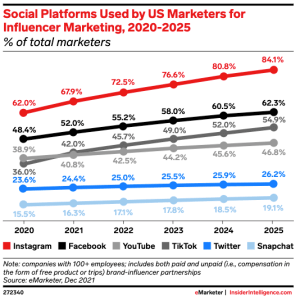
social Platforms Influencer

Influencers typically optimize their social media platforms through a combination of strategies, including:

1. High-quality images and videos: Influencers often use high-quality images and videos to showcase their products, services, or experiences. They use visual storytelling to capture their audience’s attention and make their content more engaging.

2. Consistent aesthetic: Many influencers develop a consistent aesthetic for their content, which helps to create a cohesive look and feel across their social media platforms. This can include using specific filters, color schemes, or layouts to create a recognizable brand identity. Visuality Speaks on Pinterest. Pinterest is all about aesthetics, so make sure you’re curating boards that represent your niche and focus on visual content.

3. Hashtags: Influencers use hashtags to make their content more discoverable and increase their reach. They use popular and relevant hashtags that are related to their niche to connect with their target audience. Remember Keywords lead to Hashtags. It’s not just about using hashtags, it’s also about understanding what people are searching for so you can use the right ones.

4. SEO (Search Engine Optimization): Influencers use SEO techniques to make their content more discoverable on search engines. They use keywords in their bio, captions, and post titles, which helps their content to appear in search results.

5. Engaging captions and call-to-action: Influencers use captions and call-to-action to engage with their audience and encourage them to take specific action. They use questions, prompts, and comments to start conversations and encourage their followers to participate. Incorporating user-generated content (UGC) into your social media feeds can help make your brand feel more relatable and personal to your followers. Using clickbait headlines can be a good way to grab attention, but make sure you’re also telling a story that leads up to your call-to-action.

6. Don’t pin Viral Posts. Viral posts might seem like a good idea, but remember that they’re not always tailored to your specific audience. Make Them Question or Answer First. Make sure you’re engaging with your followers by asking questions and encouraging them to answer

7. More than 1 link decreases conversions. Keep it simple by including just one link. Too many options can be overwhelming for people.

8. Algorithm Moderates, you repurpose. Platforms like TikTok and Instagram use algorithms to moderate content, sometimes resulting in engagement rate fluctuations. To overcome this, it can be helpful to repurpose popular content from the past to keep your engagement rates steady. Algorithm Moderates, you repurpose. Platforms like TikTok and Instagram use algorithms to moderate content, sometimes resulting in engagement rate fluctuations. To overcome this, it can be helpful to repurpose popular content from the past to keep your engagement rates steady.

9. Paid Advertising: Influencers also use paid advertising on social media platforms, such as Instagram and Facebook, to reach a larger audience. They use sponsored posts, stories, and influencer marketing campaigns to promote their content and increase their visibility.

10. Collaboration: Influencers also collaborate with other influencers, brands, and companies to reach new audiences and increase their visibility. They can collaborate on social media campaigns, sponsored posts, and product reviews.

11. Social Media is more about networking. Social media is becoming increasingly pay-to-view, with platforms like YouTube and TikTok relying on recommendations to drive traffic. It’s important to remember that social media is about connecting with your audience, not just reaching them through ads. Building an engagement strategy, networking, and showing your audience why they should care about your brand are all key to success.

12. Perform a Year-End Social Media Business Audit. As the year comes to a close, it’s important for businesses to take stock of their social media efforts and assess what has been working well and what areas need improvement. A year-end social media business audit can help you identify areas for growth and set goals for the coming year. A social media audit is a process used to measure the success of your social strategy across accounts and networks. An audit identifies your strengths, weaknesses, and the next steps needed to improve.

By using a combination of these strategies, influencers can optimize their social media platforms and increase their reach and engagement with their audience.

Step 5: Network and collaborate

Networking and collaborating with other influencers and brands in your niche can help to grow your following and open up new opportunities for monetization. For example, if you are a fashion influencer, you could reach out to clothing brands and offer to feature their products in your content.

Step 6: Be patient and persistent

Building a successful following as an influencer takes time and patience. Be consistent in your posting and engagement with your audience, and don’t get discouraged if you don’t see immediate results. Remember that building a following takes time and effort, but with patience, persistence, and a solid strategy, you can become a successful influencer.

There are companies that help manage and boost a social media influencer’s presence and reach. These companies are commonly known as talent agencies, influencer marketing agencies, or influencer management companies. They offer a wide range of services, including:

1. Audience analysis and targeting: These companies can analyze an influencer’s audience and help them identify their target audience and the best platforms to reach them.
2. Content creation and strategy: They can help influencers create and plan their content and develop a content calendar to ensure consistency and engagement.
3. Campaign management: They can help influencers secure brand partnerships, sponsorships, and collaborations, and manage the logistics of these campaigns.
4. Analytics and reporting: They can track and analyze an influencer’s performance, such as engagement rates and click-through rates, and provide regular reports on their progress.
5. Legal and financial services: They can help influencers with legal and financial matters related to their work, such as contract negotiations and tax compliance.
6. Talent management: They can help influencers with personal branding, public relations, and career management.
7. Paid Advertising: Some agencies also offer paid advertising services, such as social media advertising campaigns, which help influencers reach a larger audience and increase their visibility.

Here are a few examples of companies that manage social media influencers:

1. The Influencer Agency: a full-service agency that specializes in influencer marketing, content creation, and talent management. They work with a wide range of clients, including brands, celebrities, and influencers across various niches.

2. Tribe: A platform that connects brands with social media influencers, it allows influencers to create campaigns, track their performance, and get paid.

3. Hootsuite Influencer: A platform that helps brands identify, engage and measure the impact of influencers on their social media campaigns. Hootsuite has a great article on how much influencers make on each social media network here and below:

Influencer rates

4. Klear: A platform that provides influencer research and analytics, it allows brands and agencies to identify, engage and measure the impact of influencers on their social media campaigns.

5. Influencer.co: A platform that connects brands with influencers, it provides a range of services such as campaign management, influencer research, and analytics.

Here are a few tips on how to reach out to influencer management companies and capture their attention:

1. Research the company: Before reaching out, take the time to research the company and familiarize yourself with its services, clients, and the types of influencers they work with.

2. Tailor your pitch: When reaching out, tailor your pitch to the specific company and show that you have done your research. Explain why you would be a good fit for their agency and how your skills and experience align with their services and clients.

3. Showcase your portfolio: Include a link to your social media profiles and a portfolio of your work. Make sure your content is high-quality and relevant to the niche you want to work in.

4. Have a solid online presence: Having a strong online presence, such as a website or a blog, will give you an advantage when reaching out to companies.

5. Network: Networking is a great way to meet people in the industry and get your name out there. Attend events, and conferences and participate in online groups that are related to your niche, this will give you the opportunity to meet people who might be interested in working with you.

6. Be professional: When reaching out to companies, make sure to be professional and polite in your communication. Follow up with them if they don’t respond, but be respectful of their time and don’t be overly persistent.

Remember that building a relationship with these companies takes time and effort, but with patience, persistence, and a solid strategy, you can turn your passion into a successful career.

Bonus tip: Here are a few examples of conferences that an aspiring influencer can attend to gain exposure and network with industry professionals:

1. Influencer Marketing Show: This conference, held in London and New York, brings together influencer marketing experts, brands, and agencies to discuss the latest trends and strategies in the industry.

2. BlogHer: This annual conference is one of the largest events for women bloggers, influencers, and content creators, it provides a platform for attendees to learn about the latest strategies, connect with other bloggers and brands, and gain exposure for their work.

3. VidCon: This annual conference is focused on the online video industry, it brings together creators, brands, and industry professionals to discuss the latest trends and strategies in the world of online video.

4. SXSW: South by Southwest (SXSW) is a set of film, interactive, and music festivals and conferences that take place every spring in Austin, Texas, USA. It’s a great platform for creators, influencers, and industry professionals to connect, learn and showcase their work.

5. Social Media Marketing World: This annual conference is focused on social media marketing, it brings together industry experts, brands, and influencers to discuss the latest trends and strategies in the world of social media.

6. Digiday Content Marketing Summit: This conference brings together publishers, brands, and agencies to discuss the latest trends and strategies in content marketing, it’s a great platform to learn about the industry and network with other professionals.

In summary, by following these tips and advice, you can increase your chances of capturing the attention and grow your specific Social Media account and ultimately become a Social Media influencer superstar!