
Good Hook Average Hook
So, you’re on a mission to grab social media attention and turn those double-taps and heart reactions into real-deal followers or even customers? Think of it like leveling up in your favorite game, but instead of quests, you’ve got posts, and instead of game points, you’re earning likes, shares, and follows. Ready for the cheat codes? Let’s dive in.
1. Know Your Crowd: It’s Personal
First thing first: who are you talking to? This isn’t about blasting messages into the void and hoping someone listens. Use tools like Instagram Insights or Twitter Analytics to see who’s paying attention. These are like your social media detective kits, showing you what your audience likes when they’re online and even what kind of content makes them hit that follow button.
2. Quality Beats Quantity: Make It Worth Their Time
Do you know how one great post can get more love than 10 just-okay ones? Focus on making content that matters. But how do you know what works? That’s where analytics come in again. Look at your top-performing posts. What do they have in common? Is it humor, helpful tips, or maybe behind-the-scenes looks? Use this intel to make your next post a hit.
3. Learn and Adapt: Be a Quick Study
Here’s where you turn into a social media ninja. Tools like Google Analytics can show you who’s coming to your page and how they interact with your content. It’s like having a map that shows where treasure is buried. See a spike in visits after a certain post? Do more of that. If a post gets likes and clicks that re-direct to your website, put it in a daily rotation at different time slots. Experiment with popular posts. Post in early morning and post again in 2 days in the evening. Notice that certain time zones are more effective in the spike in visits. Create variations of the most social media posts. Notice a drop when you post something specific? Maybe steer clear of that in the future.
4. Solve Their Problems: Be the Hero
Everyone loves a problem-solver. Use your posts to be the hero your followers didn’t know they needed. And yes, there’s a tool for figuring out what problems they have. BuzzSumo lets you see what topics are trending and what questions people have related to your niche. It’s like knowing the questions to a test before you take it – gives you a serious edge.
So, What’s the Game Plan?
Imagine you’re the new kid trying to make friends. You find out what they’re into, share awesome stuff that’s actually interesting, adapt your approach based on what works, and always have the best advice or jokes. But with a twist – you’ve got a secret weapon: analytics tools that tell you exactly what your new friends want to hear.
In the digital age, where content is king, OnlyFans has emerged as a powerhouse platform for creators to monetize their art, expertise, and influence. However, effective marketing strategies are the key to unlocking its full potential. Among these, Twitter stands out as a prime channel for directing quality traffic towards your OnlyFans page. In this post, we’ll explore how to harness the power of Twitter, especially through its coveted blue check mark, to elevate your OnlyFans journey.
The blue check mark on Twitter is more than just a symbol; it’s a badge of trust, authenticity, and recognition. Verified accounts are often seen as credible and authoritative. Studies suggest verified accounts enjoy higher engagement rates, indicating a broader and more active reach. This heightened visibility is crucial for creators looking to expand their audience base.
To effectively use Twitter as a funnel to your OnlyFans, building a solid presence on the platform is essential. This involves:
A verified account can significantly boost your credibility on Twitter. To maximize its potential:
Turning Twitter followers into OnlyFans subscribers requires strategic planning:
Measuring success is critical. Track these key metrics:
Twitter can be a game-changer for OnlyFans creators, particularly with a verified account. By building a strong Twitter presence, engaging with the community, and strategically directing traffic to OnlyFans, creators can significantly expand their reach and subscriber base. Embrace these strategies, and watch your OnlyFans success soar to new heights!
The digital era has transformed how businesses operate, with a dormant social media account equating to a closed storefront. Ensuring your Facebook, Twitter, LinkedIn, or Instagram accounts are consistently refreshed with engaging content is crucial. Instead of spreading your resources thin across various platforms, focusing on 1-2 primary accounts can yield more impressive results.
Take the example of Buffer, a popular social media management tool. They famously dropped their efforts on Facebook and focused primarily on Twitter and Instagram, where they found their audience was more engaged. Through social media analytics, Buffer discovered that despite having over 100,000 followers on Facebook, the engagement rate was significantly lower than their Twitter and Instagram accounts.
They employed social scheduling and automation tools to maximize productivity and ensure consistency. It was critical for Buffer’s social media strategy to prioritize social channels based on their target audience’s online activity.
Technical metrics, or Key Performance Indicators (KPIs), played a significant role in this decision-making process. By monitoring Engagement Rates, Follower Growth, Reach and Impressions, and Click-Through Rates, Buffer could understand which platforms were most effective for their brand. The strategy of repurposing content helped them avoid the continuous strain of creating new content and improved their SEO efforts.
Once Buffer mastered content creation and scheduling dynamics on Twitter and Instagram, they were ready to reevaluate their social media strategy and consider expanding to other platforms.
Buffer’s example illustrates how a company can effectively manage its social media presence by making data-driven decisions. Following their footsteps, any business can strategically plan its social media marketing and management efforts. And if needed, they can always delegate these tasks to a freelancer. After all, outsourcing can bring unique expertise that may currently be outside the business’s arsenal, contributing fresh perspectives and innovative ideas to the strategy.
Navigating the digital landscape on a tight budget can be daunting. But with strategic and budget-friendly marketing tactics, you can increase your website traffic significantly. Here are ten obscure but highly effective strategies, complete with success rates and helpful tools, all implementable within a budget of $5000.
Social media advertising has tremendous reach. With as little as $5 a day, you can reach over 1,000 people on Facebook alone. Also, you could expect to pay anywhere from $0.50 to $2.00 per action (click, retweet, like, follow, or “boost”) for a Twitter campaign. Nextdoor, the neighborhood-focused social networking app, presents a unique opportunity for brands seeking to target consumers on a hyper-local scale. As with all social media advertising, the cost to reach 1,000 people (often referred to as CPM) could vary significantly depending on these factors. CPM is your cost per mile. It measures your rate per 1,000 impressions. It’s best to start small, monitor your campaign closely, and adjust as needed to optimize your budget. Tools like Hootsuite allow you to manage and analyze your campaigns across multiple platforms.
Organic search leads have a 14.6% close rate, while outbound marketing leads have a 1.7% close rate. Tools like SEMrush or Moz can be crucial for finding keywords, analyzing your website’s SEO health, and studying your competition.
Email marketing has an average ROI of $42 for every dollar spent. MailChimp, an affordable email marketing tool, allows you to create newsletters, automate emails, and analyze your campaign’s performance.
Content marketing gets three times more leads than paid search advertising. Platforms like WordPress make it easy to start a blog, while tools like Grammarly can help ensure your content is well-written and error-free.
Studies show that between 20% and 40% of webinar attendees turn into qualified leads. Webinar platforms like Zoom offer affordable options to host your virtual event.
Contests on Instagram can generate 64x more comments and 3.5x more likes compared to regular posts. Tools like Rafflecopter can help manage your contests and giveaways across multiple platforms.
According to a Mediakix study, 89% of marketers say ROI from influencer marketing is comparable to or better than other marketing channels. Apps like Upfluence or AspireIQ can help you connect with micro-influencers in your niche.
Website visitors who are retargeted with display ads are more likely to convert by 70%. Tools like Google AdWords and Facebook Ads Manager can help you set up retargeting campaigns to re-engage your website, visitors.
According to a CoSchedule study, businesses that blog collaboratively have 2x more traffic. Look for guest blogging opportunities or partnerships within your niche to share and co-promote content.
Affiliate marketing accounts for 15% of all online revenue from digital media. Using platforms like ShareASale or CJ Affiliate, you can set up an affiliate program to incentivize others to promote your products or services.
Remember, the key to frugal marketing is monitoring your results, optimizing your strategies, and adjusting as needed. With these tactics and tools, you can maximize your budget and drive substantial traffic to your website.
In the digital age, every business, regardless of size, must have a robust online presence to thrive. Yet, for small businesses, the advent of social media is not just an advent in technology; it’s a seismic shift, a game-changer, a new frontier. What once was the domain of large corporations with generous marketing budgets has become accessible to even the smallest enterprises.
With its cost-effective reach and real-time communication capabilities, social media quickly becomes the frontline of customer support and a potent tool for product sales. This article elucidates why small businesses need to harness the potential of social media and outlines strategies to leverage this platform for unprecedented success.
The dynamics of customer engagement have evolved dramatically in the digital era. With an estimated 3.96 billion social media users worldwide, businesses can no longer afford to ignore these platforms. It’s where their customers are and where they need to be.
The benefits of social media for small businesses are manifold. Firstly, it’s cost-effective to increase visibility and build brand awareness. With a well-curated social media presence, small businesses can compete with larger brands on a more level playing field.
Secondly, social media provides a unique opportunity to cultivate customer relationships in a personal, conversational manner. This approach engenders trust and loyalty – critical factors for any small business hoping to grow its customer base.
Thirdly, social media facilitates real-time feedback and customer insights, providing businesses with a wealth of data to drive decision-making and product development.
Transforming social media from a simple communication tool to a powerful sales platform requires a strategic approach. The process begins with understanding the platform’s nature and user behavior. Not every product will sell on every social media platform. Identifying where your target audience is most active and engaged is important.
One successful strategy is creating shareable content that can organically spread your brand’s message. For instance, informative how-to videos, engaging user-generated content, or stories highlighting your product’s use in everyday life can subtly advertise your product without making your audience feel they are being marketed to.
Another method is utilizing social media advertising tools. Platforms like Facebook and Instagram offer sophisticated targeting capabilities to reach the exact demographic you want to sell to.
Finally, integrating shoppable posts and links into your content can reduce friction in the purchasing process. This ease of access is crucial for converting social media interactions into sales.
Social media has transformed customer support from a reactive function to a proactive one. With a well-executed social media strategy, small businesses can address issues before they escalate and damage brand reputation.
By monitoring social media platforms for brand mentions, businesses can respond to customer concerns promptly and publicly. This visibility demonstrates a company’s commitment to customer satisfaction, enhancing trust and brand loyalty.
Moreover, businesses can leverage social media for proactive customer support. By posting helpful content like FAQs, tutorials, and tips, businesses can pre-emptively address common customer issues.
Undoubtedly, small businesses derive immense benefits from an effective social media strategy. Opportunities presented through social media, from sales to customer support, can propel these businesses to unprecedented success. Within this new frontier, the businesses quickest to adapt will be the ones to thrive. However, those who overlook this pivotal shift may very well be courting peril.
As a sales rep, it can be tempting to use Twitter as a platform for cold pitching your product or service. However, this approach often comes across as unsolicited, pushy, and desperate, and can ultimately hurt your brand. Never Cold Pitch on Social Media Platforms. Cold pitching refers to the act of reaching out to someone who has not expressed interest in your product or service, often with a generic sales message. While this technique may have worked in the past, it’s no longer an effective way to sell on social media. In fact, cold pitching straight into a Twitter DM may seem like a shortcut to success, but it can actually harm your brand and reputation.
So how can you improve your sales skills on Twitter and take them to the next level? Here are some actionable tips and strategies for becoming a world-class sales rep on this popular social media platform.
1. Engage with your audience: Instead of cold pitching, focus on building relationships with potential customers by engaging with them on Twitter. This can include liking and retweeting their posts, responding to their comments and questions, and sharing content that is relevant to their interests.
2. Create compelling post content: To grab the attention of prospects on Twitter, it’s important to create compelling post content that resonates with your target audience. This can include eye-catching visuals, informative infographics, and engaging videos that showcase the benefits of your product or service.
3. Use direct messages (DMs) strategically: While cold pitching via DMs is generally not recommended, there are ways to use this feature strategically to connect with potential customers. For example, you could send a personalized message to someone who has engaged with your content or expressed interest in your product or service.
4. Track your return on investment (ROI): To ensure that your Twitter sales strategy is effective, it’s important to track your ROI. This can include metrics such as engagement rates, clicks, and conversions. By analyzing this data, you can identify areas for improvement and adjust your approach accordingly.
By following these tips and strategies, you can become a successful sales rep on Twitter and effectively connect with potential customers without resorting to cold pitching. Remember to focus on building relationships and providing value to your audience, and you’ll be well on your way to achieving success on this powerful social media platform.
Hey, Twitter fam! If you’re wondering how to stay on top of the latest Twitter algorithm change, you’re in the right place!
Twitter recently opened a portion of its source code to public inspection, including the algorithm it uses to recommend tweets in users’ timelines. Here’s what you need to know to boost your engagement on the platform:
Likes and retweets are your best friends! The algorithm gives them a huge boost, while replies only get a small one. So make sure to aim for more likes and retweets if you want to increase your reach.
Images and videos are also super helpful! They can give you a nice 2X bump boost, so be sure to add them to your tweets.
But here’s the kicker: external links can hurt your engagement unless you have enough of them. To avoid getting marked as spam, try saying “check out the link in bio” instead of adding the link in your tweet. This way, visitors will go to your bio and click on your “link in bio” or “linktree” instead.
Also, steer clear of mutes, blocks, unfollows, spam reports, and abuse reports. They can all hurt your engagement, and we definitely don’t want that!
Twitter Blue can give you a healthy boost, so paying the monthly fee might be worth it if you're up for it.
And finally, watch your language! The algorithm penalizes made-up words and misspellings, so make sure your hashtags and tweets are crystal clear.
Making up words or misspellings hurts! Words that are identified as “unknown language” are given 0.01, which is a HUGE penalty. Anything under 1 is bad. Really bad. My guess is that made-up hashtags will be a huge penalty! Example: #Mondaymusings, #realestatebroker, #fancialanalyst. These are 2 words that are put together for the hashtag and the algo considers it “unknown language”.
Mutes and unfollows hurt. All of the following hurt your engagement:
Followers, engagement & user data are the three data points. If you take away anything, remember this – the models take in these inputs:
How to optimize for the algorithm
To sum it up, remember that the algorithm takes into account your likes, retweets, replies, mutes, unfollows, and user data. So focus on likes and retweets, avoid external links, and watch your language to optimize your engagement on Twitter.
Happy tweeting!
Social media content creation is a key component of any successful marketing plan. It helps engage customers, brings attention to your brand, and drives conversions. But when it comes to creating content for social media that really resonates with an audience, the most important step you can take is understanding who your target audience is – namely through developing buyer personas. Buyer personas are simply representations of different types of potential customers or clients; they help you think about how those people might interact with your product or service to craft more effective social media posts that fit their needs. In this blog post, we’ll examine what “buyer personas” are, how they can be useful for creating social media content, and provide some helpful tips on getting started crafting content tailored towards these distinct personalities!
A buyer persona is a powerful tool that serves as a compass guiding businesses toward understanding their ideal customer. This semi-fictional representation of the target audience is characterized by their demographics, goals, challenges, and preferences, ultimately shaping the framework for marketing strategies, product development, and customer service. By giving life to these personas, businesses are better equipped to tailor their approach, fostering meaningful relationships that resonate with their audience. Crafting a well-defined buyer persona is more than just a step in the process; it is the heartbeat of a thriving business, propelling growth and success by putting the customer’s needs and wants at the center of all decisions made. So, invest time in creating and refining your buyer persona; it’s the guiding light that will steer you toward building not just loyal customers, but an empire of brand advocates.
Crafting a well-defined buyer persona is an essential step toward achieving your business goals, as it serves as a blueprint for understanding the unique characteristics, preferences, and behaviors of your target audience. To build a comprehensive buyer persona, it’s crucial to consider a mix of both demographic and psychographic elements, such as age, income, occupation, location, and interests, alongside insights into the pain points, goals, and motivations of your ideal customer. In addition, evaluate their purchasing habits, preferred media channels, and common objections to tailor your marketing efforts more effectively. Remember that new insights will continually emerge, so always be prepared to adapt and refine your buyer persona over time. By giving life to your target market, you’ll ultimately be able to forge stronger connections with your audience and inspire them to engage with your brand in a meaningful way.
Curating content that captivates your target audience is vital in today’s fast-paced digital world. A professionally curated, compelling inventory of information resonates with your audience, driving greater engagement and fostering stronger connections. To achieve this, it’s essential to have a deep understanding of your audience’s demographics, interests, and needs, and to align your content with these insights. By presenting inspiring stories, thought-provoking perspectives, and valuable information in a polished and coherent manner, you create an unforgettable experience for your audience. The result is a loyal following that shares, discusses, and actively participates in your content, thus positioning you as an influential thought leader in your industry.
In today’s fast-paced digital ecosystem, mastering the art of repurposing content is essential for maximizing your brand’s reach and maintaining a consistent brand narrative across multiple platforms. The art of taking a piece of content and giving it new life in various formats allows you to extend its value, engage new audiences, and save valuable time and resources. To successfully repurpose content, begin by identifying the strengths and core messages of the original content, and then creatively explore new ways to present that information through various media, such as podcasts, social media, webinars, or infographics. By thinking beyond traditional content formats and tailoring your approach to each platform’s distinct audience and features, you will not only expand your brand’s presence in the digital landscape but also inspire those who encounter your content to think deeper, learn more, and keep coming back for more.
The art of crafting engaging captions, headlines, and hashtags is a key ingredient to successfully capturing the attention of your audience and effectively conveying your message across different channels. A professional and inspiring tone adds a unique flavor to your content, setting you apart from the vast ocean of information available online. To ensure readability and impact, it’s important to encapsulate your content’s essence in a concise, yet powerful headline that speaks to your target audience. Creativity and wit play a crucial role in formulating captions that spark an emotional response, encourage sharing, and stimulate discussions. Furthermore, strategically utilizing hashtags not only amplifies your content’s visibility but also connects you with like-minded individuals and communities. By meticulously honing these essential elements, you elevate your content’s appeal, empower your brand’s voice, and create a lasting impression on the digital landscape.
As a content creator, one of the most valuable actions you can take is to test the effectiveness of your content. This process allows you to not only ascertain the strength of your messaging but also optimize its impact by pinpointing areas for improvement. By regularly analyzing your content’s performance through various testing methods, you gain insight into your audience’s preferences and can subsequently tailor your content to better resonate with them. The result is a higher rate of engagement, increased conversion rates, and an enhanced ability to meet your objectives. Ultimately, content testing empowers you to elevate the quality and impact of everything you create, paving the way for long-term success in today’s competitive digital landscape.
Overall, social media content can be a powerful tool to reach your target audience, but it takes knowledge and strategy to make sure the content resonates. Just like you have unique needs as a person, so do your prospects—understanding those needs is where buyer personas come in. By creating a buyer persona in detail, you can better understand what kinds of content will pique the interest of your audience and successfully drive conversions. Additionally, by repurposing existing content and testing different versions and captions, you will learn quickly what works best for your target market. Put everything together to create a data-driven marketing strategy based on insights from real customers—discover the power of buyer personas in creating targeted social media content!
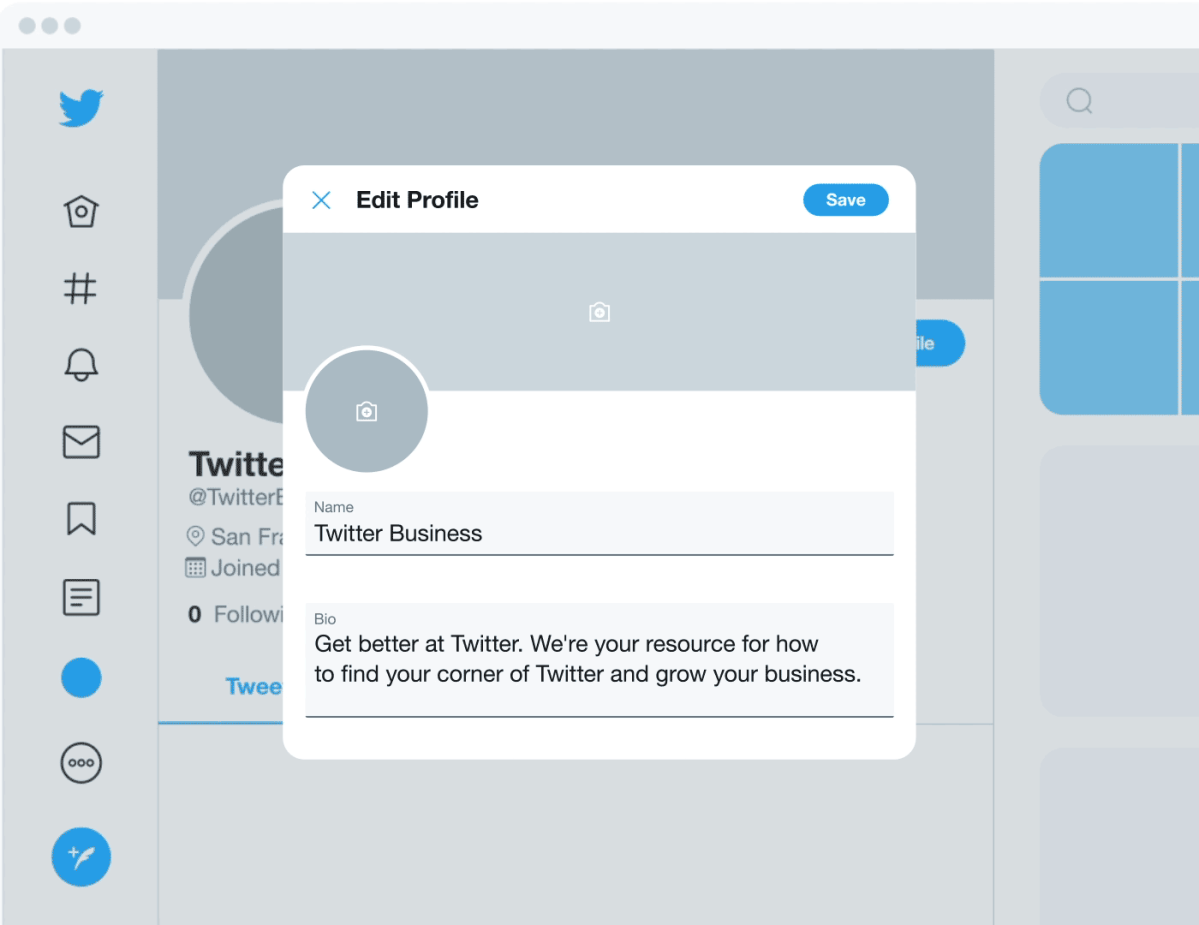
A well-optimized social media profile will show up higher in Google search results, boosting your brand reputation. As a bonus, maintaining your profile according to SEO best practices help potential customers find you through social media.
Social media profiles are not only a way to connect with your audience, but also a powerful tool to boost your SEO ranking. By optimizing your social media profiles for SEO, you can increase your visibility on search engines, drive more traffic to your website, and generate more leads and conversions. Here are some tips on how to SEO optimize your social media profiles:
Pro Tip: Monitor your social media metrics and analyze how they affect your SEO performance. Some of the metrics you should track include impressions (how many times people see your posts), clicks (how many times people visit your site from your posts), shares (how many times people share or repost your content), comments (how many times people interact with your posts), followers (how many people follow you on each platform), etc. These metrics can help you understand what works best for each platform and audience segment.
By following these tips on how to SEO optimize social media profiles, you can improve both your social media presence and SEO ranking.






 Online Marketing Juice