
The Unexpected Consequence of AI in SEO: A Web of ‘Garbage’ Text

The landscape of online search is becoming increasingly cluttered. As the race to optimize for Search Engine Optimization (SEO) accelerates, the quality of content found on Google and across the internet is deteriorating. A growing trend has seen the utilization of artificial intelligence (AI) tools to generate blog content packed with SEO keywords. These blogs, however, are not intended for human eyes; their primary audience is Google’s web-crawling robots.

Entities across a wide array of sectors are finding themselves having to invest considerable time and resources to tailor their online presence for Google Search. To streamline this often frustrating and time-consuming process, many resort to AI tools, contributing to an explosion of computer-generated content specifically designed to manipulate search algorithms.

This trend contributes to the degradation of Google’s principal product, Search. The widespread adoption of AI tools to generate a mass of SEO-oriented content is a cause for concern. For instance, e-commerce platforms have even launched AI features that allow creating product descriptions using keywords, adding to the surge of low-quality content—dubbed ‘SEO chum’—on the web.

These AI tools generate unique content, a strategy that appeals to Google’s preference for non-duplicate content. Despite this optimization effort, there is a keen awareness of maintaining quality in certain sectors, such as advice articles, where AI is eschewed in favor of human authorship.

The dependence on Google for online visibility has led to a constant cycle of content creation, frequently resulting in unnecessary or superfluous text. SEO has become a necessary, if not always welcome, component of online strategy. High costs often prevent entities from hiring SEO consultants or marketing agencies, intensifying their reliance on AI tools.

The importance of navigating Google’s SEO landscape has grown as other online advertising channels, such as social media platforms, become less effective. This shift has amplified the essential role of Google Search in the online ecosystem.

Despite these efforts, much of the SEO-optimized content remains tucked away in rarely visited corners of websites. The content, often nonsensical or bizarre to human readers, is solely designed to cater to Google’s algorithms. This situation has created an ecosystem where entities from all sectors endlessly generate more content just to be visible. Those searching for information and those trying to be found are ensnared in a seemingly never-ending cycle of creating and consuming ‘garbage’.

The current state of the online world seems untenable in the long term. While it is difficult to recall a time before the race for SEO, there’s a growing sense of unease about the sustainability of this trend. The increasing use of AI tools has led to a strange dance between entities and Google, all grappling with the ramifications of this keyword-focused contest. The future of the internet and online search could well hinge on how these challenges are navigated.
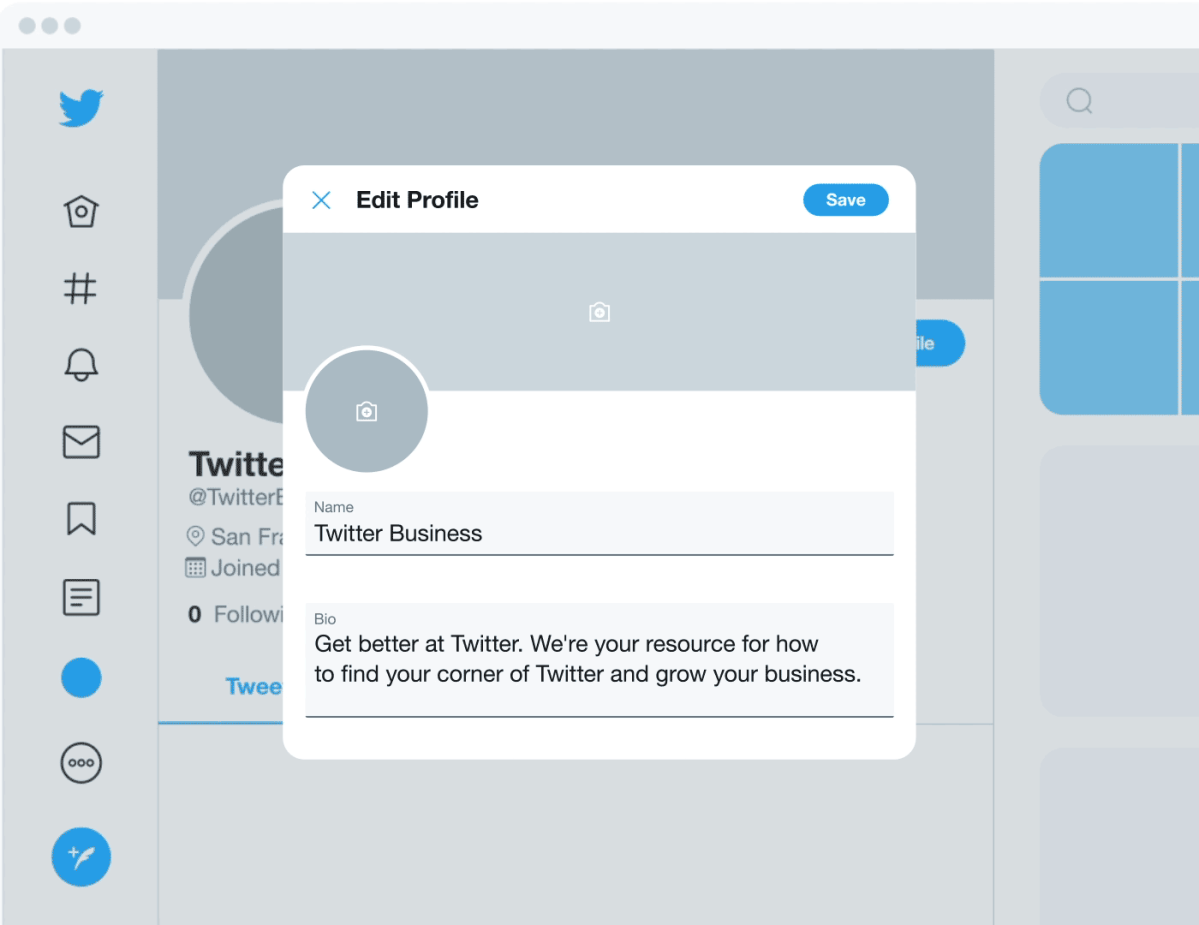
How to SEO Optimize a Social Media Profile

A well-optimized social media profile will show up higher in Google search results, boosting your brand reputation. As a bonus, maintaining your profile according to SEO best practices help potential customers find you through social media.

Social media profiles are not only a way to connect with your audience, but also a powerful tool to boost your SEO ranking. By optimizing your social media profiles for SEO, you can increase your visibility on search engines, drive more traffic to your website, and generate more leads and conversions. Here are some tips on how to SEO optimize your social media profiles:

    • Fill out your social profiles with as many details as possible. Include relevant keywords in your profile description, bio, and posts that match what people are searching for. Also, use consistent branding across all your social platforms, such as your logo, name, and color scheme.
    • Point links back to your site from your social profiles and posts. This will help you build authority and trust with search engines and direct more visitors to your site. Make sure your links are relevant and useful for your audience, and avoid spamming or overdoing them.
    • Share high-quality content from your site on your social channels and encourage others to do the same. This will help you increase engagement, reach new audiences, and earn more backlinks. Backlinks are links from other websites that point to yours, which signal to search engines that your site is valuable and trustworthy.
    • Publish content that’s worthy of backlinks on your social channels. This means creating original, informative, entertaining, or inspiring content that people want to share with their networks. You can also leverage different types of content formats such as videos, images, infographics, podcasts, etc., to appeal to different preferences and platforms.

Pro Tip: Monitor your social media metrics and analyze how they affect your SEO performance. Some of the metrics you should track include impressions (how many times people see your posts), clicks (how many times people visit your site from your posts), shares (how many times people share or repost your content), comments (how many times people interact with your posts), followers (how many people follow you on each platform), etc. These metrics can help you understand what works best for each platform and audience segment.

By following these tips on how to SEO optimize social media profiles, you can improve both your social media presence and SEO ranking.

Easy Website Traffic Tip

Submit your website or blog to quality general directories. One such quality director is DMOZ:

http://www.dmoz.org

This “Open Directory Project” is syndicated by many other sites. Including your website or blog in DMOZ will provide you with inbound links. Other directories to include:

Yahoo Search Directory
http://dir.yahoo.com

Business.com Directory
http://www.business.com

There are many more you can include. Listing in directories is always an ongoing effort. New directories pop up everyday. Spend an hour a week listing your business or service in online directories. The payoff can be increased traffic but MAKE SURE the directories you are submitting to are not defined as “spam” or junk directories. If your a local business, its crucial to submit your listing to a local directory as well. Google, Yahoo, and Bing all have local search listings.