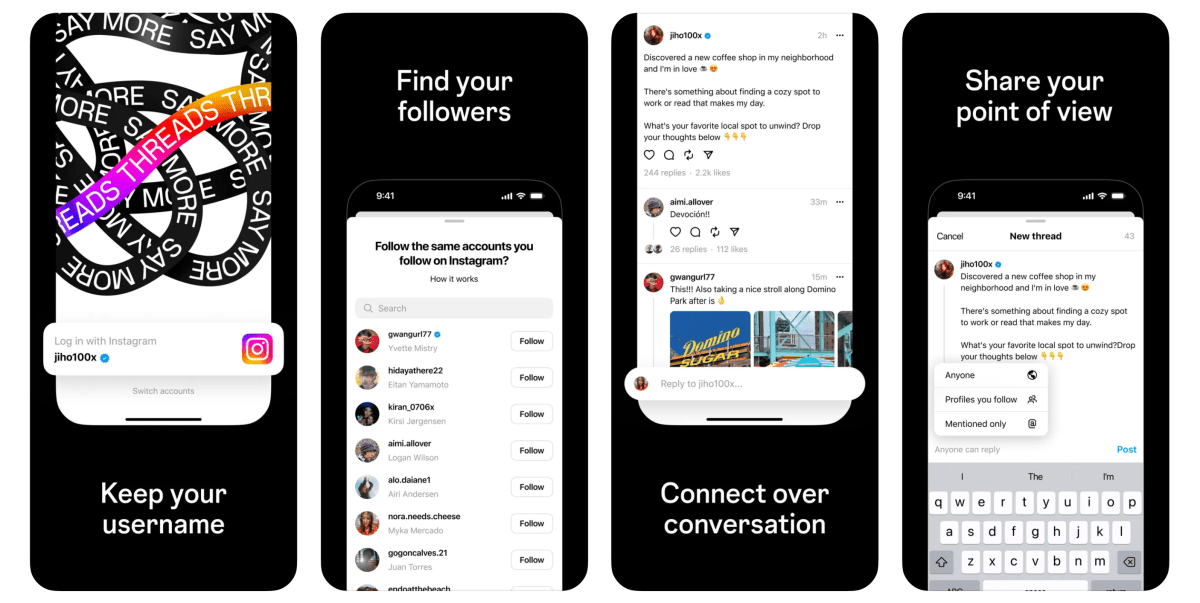
How to Win at Getting Followers and Customers on Social Media

So, you’re on a mission to grab social media attention and turn those double-taps and heart reactions into real-deal followers or even customers? Think of it like leveling up in your favorite game, but instead of quests, you’ve got posts, and instead of game points, you’re earning likes, shares, and follows. Ready for the cheat codes? Let’s dive in.

1. Know Your Crowd: It’s Personal

First thing first: who are you talking to? This isn’t about blasting messages into the void and hoping someone listens. Use tools like Instagram Insights or Twitter Analytics to see who’s paying attention. These are like your social media detective kits, showing you what your audience likes when they’re online and even what kind of content makes them hit that follow button.

2. Quality Beats Quantity: Make It Worth Their Time

Do you know how one great post can get more love than 10 just-okay ones? Focus on making content that matters. But how do you know what works? That’s where analytics come in again. Look at your top-performing posts. What do they have in common? Is it humor, helpful tips, or maybe behind-the-scenes looks? Use this intel to make your next post a hit.

3. Learn and Adapt: Be a Quick Study

Here’s where you turn into a social media ninja. Tools like Google Analytics can show you who’s coming to your page and how they interact with your content. It’s like having a map that shows where treasure is buried. See a spike in visits after a certain post? Do more of that. If a post gets likes and clicks that re-direct to your website, put it in a daily rotation at different time slots. Experiment with popular posts. Post in early morning and post again in 2 days in the evening. Notice that certain time zones are more effective in the spike in visits. Create variations of the most social media posts. Notice a drop when you post something specific? Maybe steer clear of that in the future.

4. Solve Their Problems: Be the Hero

Everyone loves a problem-solver. Use your posts to be the hero your followers didn’t know they needed. And yes, there’s a tool for figuring out what problems they have. BuzzSumo lets you see what topics are trending and what questions people have related to your niche. It’s like knowing the questions to a test before you take it – gives you a serious edge.

So, What’s the Game Plan?

Imagine you’re the new kid trying to make friends. You find out what they’re into, share awesome stuff that’s actually interesting, adapt your approach based on what works, and always have the best advice or jokes. But with a twist – you’ve got a secret weapon: analytics tools that tell you exactly what your new friends want to hear.
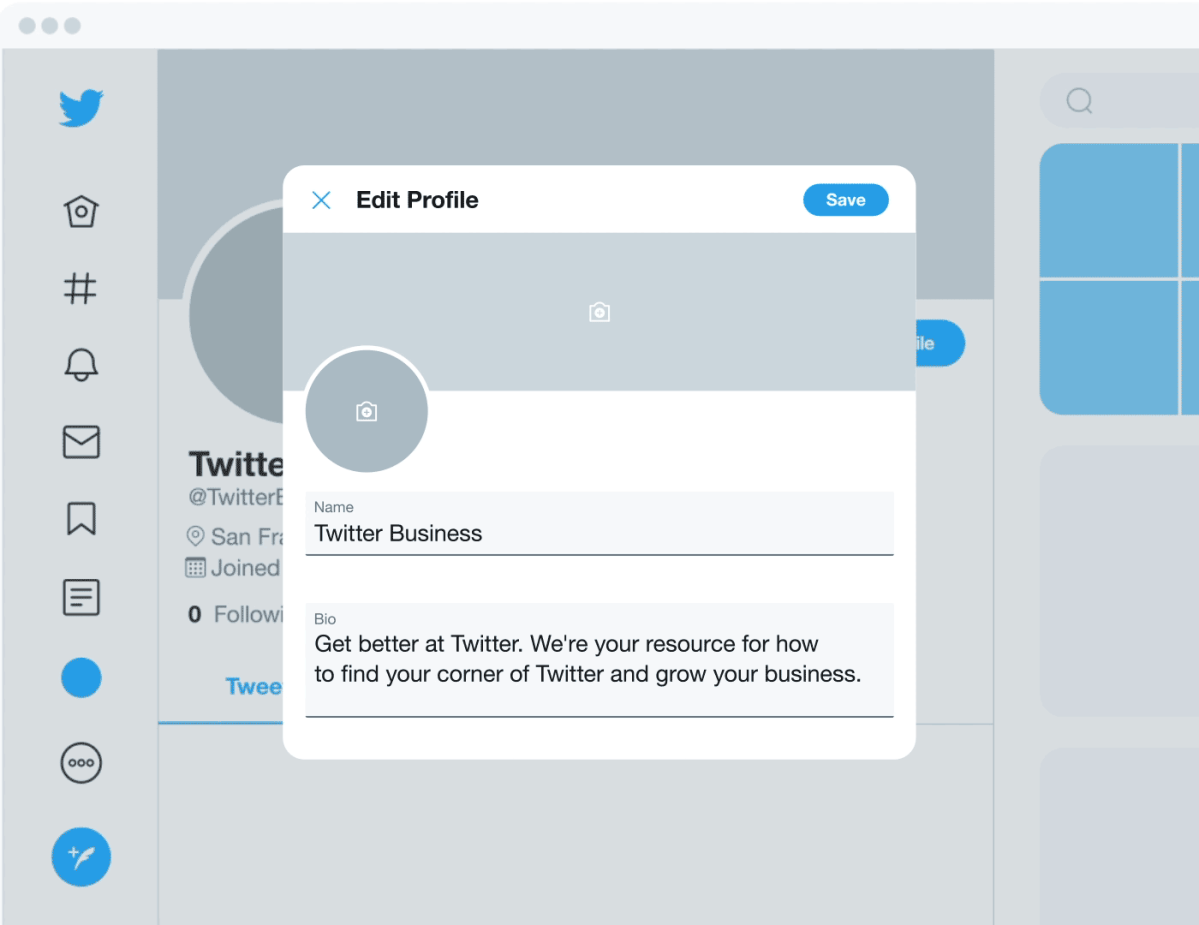
How to Know When It’s Time for a Social Media Restyle and How to Do It Effectively

👋 Hey, social media managers! Do you want to keep your brand fresh and relevant online? Then you need to know when it’s time for a restyle. 🙌

👀 A restyle is when you update your visuals (such as profile picture, cover photo, logo, etc.) to match the latest trends and features of your social media platforms. 🎨

👉 Why is this important? Because social media channels evolve constantly, and you don’t want to look outdated or miss out on new opportunities to engage your audience. 😎

👇 Here are some signs that it’s time for a restyle:

1️⃣ Your visuals don’t fit the dimensions or formats of the platform. For example, if your profile picture is cropped or distorted on Instagram reels or stories. 📸

2️⃣ Your visuals don’t match the tone or style of the platform. For example, if your logo is too formal or corporate for TikTok or Snapchat. 🎭

3️⃣ Your visuals don’t reflect your brand identity or values. For example, if your color scheme is inconsistent or your fonts are hard to read.

4️⃣ Your visuals don’t stand out from the crowd or attract attention. For example, if your cover photo is bland or generic or your profile picture is boring or low-quality. 🔥

👍 If you notice any of these signs, it’s time to give your social media visuals a makeover. Here are some tips to help you with that:

✅ Do some research on the best practices and guidelines for each platform.

✅ Use online tools and apps to create and edit your visuals easily and quickly.

✅ Test and measure the impact of your new visuals on your engagement and reach. For example, use analytics tools like Sprout Social or Hootsuite to track your performance and see what works best for your audience. 📊

🙌 And that’s it! You’ve learned how to know when it’s time for a restyle and how to update your visuals accordingly. Now go ahead and show off your new look to the world! 🚀

How to SEO Optimize a Social Media Profile

A well-optimized social media profile will show up higher in Google search results, boosting your brand reputation. As a bonus, maintaining your profile according to SEO best practices help potential customers find you through social media.

Social media profiles are not only a way to connect with your audience, but also a powerful tool to boost your SEO ranking. By optimizing your social media profiles for SEO, you can increase your visibility on search engines, drive more traffic to your website, and generate more leads and conversions. Here are some tips on how to SEO optimize your social media profiles:

    • Fill out your social profiles with as many details as possible. Include relevant keywords in your profile description, bio, and posts that match what people are searching for. Also, use consistent branding across all your social platforms, such as your logo, name, and color scheme.
    • Point links back to your site from your social profiles and posts. This will help you build authority and trust with search engines and direct more visitors to your site. Make sure your links are relevant and useful for your audience, and avoid spamming or overdoing them.
    • Share high-quality content from your site on your social channels and encourage others to do the same. This will help you increase engagement, reach new audiences, and earn more backlinks. Backlinks are links from other websites that point to yours, which signal to search engines that your site is valuable and trustworthy.
    • Publish content that’s worthy of backlinks on your social channels. This means creating original, informative, entertaining, or inspiring content that people want to share with their networks. You can also leverage different types of content formats such as videos, images, infographics, podcasts, etc., to appeal to different preferences and platforms.

Pro Tip: Monitor your social media metrics and analyze how they affect your SEO performance. Some of the metrics you should track include impressions (how many times people see your posts), clicks (how many times people visit your site from your posts), shares (how many times people share or repost your content), comments (how many times people interact with your posts), followers (how many people follow you on each platform), etc. These metrics can help you understand what works best for each platform and audience segment.

By following these tips on how to SEO optimize social media profiles, you can improve both your social media presence and SEO ranking.

Top Social Platforms Used by US Marketers for Influencer Marketing 2020-2025

Influencer marketing has become a popular marketing strategy for many companies and marketers in the US. With the rise of social media, influencer marketing has become a crucial part of many brands’ marketing strategies. In this blog post, we will discuss the social platforms that were used by US marketers for influencer marketing from 2020 to 2025.

  1. Instagram: Instagram remains one of the most popular social platforms for influencer marketing. It is a visual platform that allows marketers to showcase their products and services through pictures and videos. Instagram has over 1 billion monthly active users, making it a prime platform for influencer marketing.
  2. TikTok: TikTok, the short-video-sharing app, has recently exploded in popularity. It has become a popular platform for influencer marketing, especially among younger audiences. With its emphasis on creativity and user-generated content, TikTok allows marketers to reach a large, engaged audience.
  3. YouTube: YouTube has long been a popular platform for influencer marketing. As the largest video-sharing platform, it offers marketers a massive audience for their influencer campaigns. Marketers can use YouTube to create engaging video content that promotes their products and services.
  4. Pinterest: Pinterest is a visual discovery platform that allows users to save and share images and videos that interest them. It has become a popular platform for influencer marketing, especially in the fashion, beauty, and home decor industries. With its large and engaged user base, Pinterest provides marketers with a unique opportunity to reach consumers who are actively seeking inspiration and ideas.
  5. Facebook: Facebook remains one of the most popular social platforms in the world, with over 2.8 billion monthly active users. While it may not be as popular as other platforms for influencer marketing, it still offers a large audience and provides marketers with a variety of targeting options.
  6. Snapchat: It is difficult to make an accurate forecast for Snapchat’s influencer marketing in the next few years as it depends on various factors such as the platform’s success in improving its advertising capabilities and measurement tools, the growth of its user base, and the competition from other social media platforms. However, if Snapchat continues to make progress in these areas and provides marketers with a way to effectively reach and engage with their target audience, it could become a more popular platform for influencer marketing in the future.

In conclusion, US marketers have been using a variety of social platforms for influencer marketing from 2020 to 2025. While Instagram remains the most popular platform, other platforms like TikTok, YouTube, Pinterest, and Facebook also offer unique opportunities for influencer marketing. As social media continues to evolve, it is likely that new platforms will emerge, offering marketers even more opportunities to connect with their target audiences through influencer marketing.