Social Media Outreach in 2022

From a product or services firm perspective: Pick two or three social media platforms and concentrate on mastering those (if resources allow). If resources are limited, concentrate on Facebook and Twitter first. Determine which serves your brand or service better. Whether you are a seasoned social media marketer, a marketer looking to venture into social media marketing, or a business owner looking to leverage on social media, it’s helpful to know the most popular social media sites around that will amplify your brand. Choose the most popular platform based on your company’s product or client demographics. For example, Financial Advisors would choose Facebook, LinkedIn or Twitter over Instagram. Actual product marketers that need more “visual” branding would gravitate towards Instagram or Pinterest.

First things first. Establish Trust. People naturally look to other people as a guide for their own behavior. Don’t get spammy with your posts or tweets. Post social media content that is quality and  compelling (always include an image). Encourage free exchange. Be open to change and continuous learning. Social proof (trust) typically rises exponentially, and it will become a self-perpetuating force.

Remember to establish reasonable goals once you start gaining momentum. Listen to your customers or fans (followers). Always gain feedback and adjust accordingly (iterate). Figure out what to measure when putting together goals. Example: do you measure “followers” or “likes” “retweets” or “retention” or “sales”?

Your goals should be distinct, in that you have a specific, defensible reason for participating in each platform. Take a look at your outreach strategy and review the reasons your business is implementing a social media marketing outreach plan. What do you want out of your social activities? Are you trying to drive visitors to your website, your blog, via Twitter or your Facebook page? Are your competitors on social media? Focusing on your ultimate goal will guide your next steps: what you do (what other channels you will use going forward), when you do it (what schedule you will aim for? Night or Daytime according to your demographic), and what content to share. Be vigilant and always participate every day (even if you have to schedule and automate it). Social Media marketing is a slow process that will pay off dividends in the future!
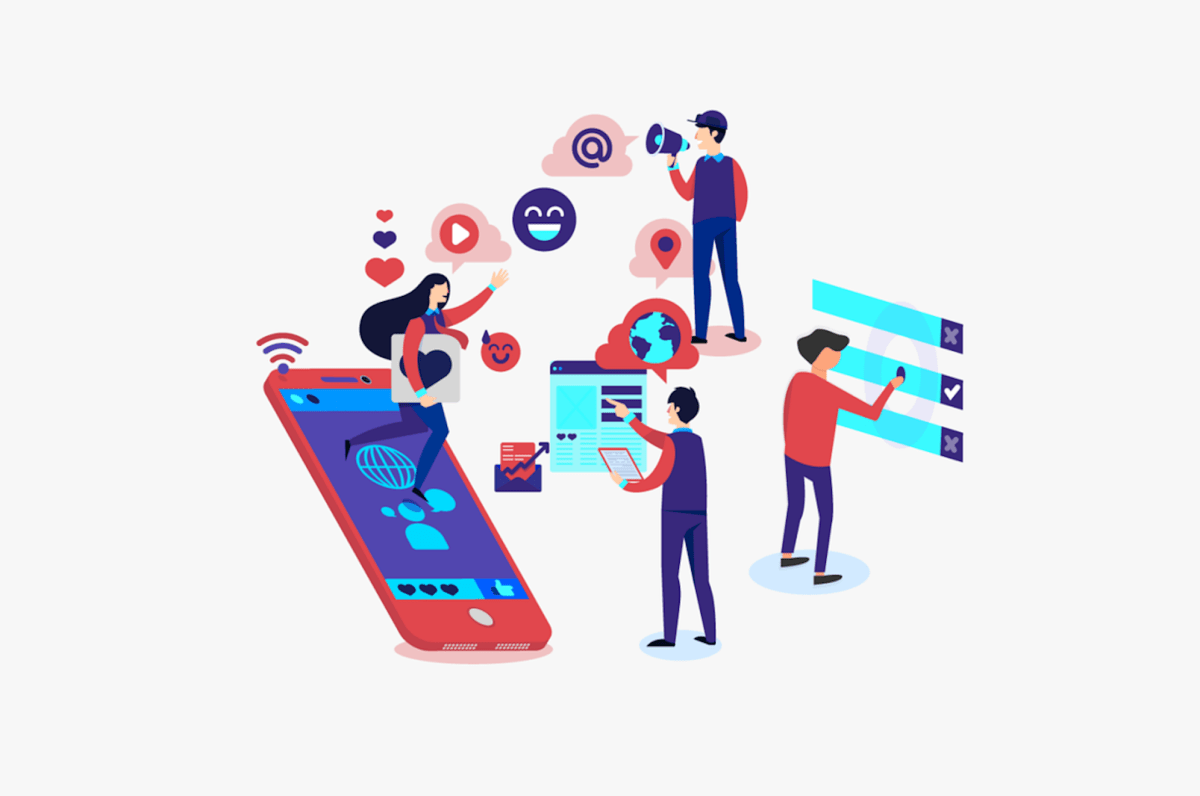
How to Measure (ROI) Social Media Campaigns in 2022

Before starting any Social Media effort you must DEFINE your goals and targets (KPIs). A lot of these KPIs you can track from a CRM like HootSuite, HubSpot, Salesforce, or Sprout Social.

Basic Social Media Campaign KPI’s (Tangible) measurements:

  1. Product sales or qualified leads. New customers acquired. Not included: “converted leads” which are the responsibility of the sales organization or account manager.
  2. Increased revenue, and/or market share.
  3. Content Post CTR (Click-through rate) through Social Media platform.
  4. Site traffic (clicks back to website from a Social platform) or “sessions” by Social Media source

These are just a few basic metrics that you can use to measure your Social Media campaigns. So how do you measure the ever important “non-tangible” Social Media ROI?

  1. The quality of “buzz” or change in sentiment. Think Twitter buzz or the quality/quantity of blog feedback/comments. Develop an in-house engagement metric.
  2. Amount of relevant people handling digital content.
  3. Amount of “followers” or new members after a social media campaign. Not everyone’s social media goals is to sell product. Could be a branding goal or a service type goal.
  4. ReTweets
  5. Impressions
  6. Likes
  7. Connections

In the end, Social Media campaign goals must lead to increased revenue, SEO rankings (Google, and Bing are using “social signals” to help them rank), leads, branding/loyalty, or better service. It’s easy to present the tangible information to your boss or client. Make sure the non-tangible information is measured as well.

Why Small Business (SMB) Needs To Get On Facebook in 2021

If you are a small business (SMB) and you don’t have a Facebook business page, its time to create one as your losing out on possible new customers, leads and clients! Having a Facebook business page makes it easier for people to discover and interact with your brand online. I posted an article way back in 2015 on “Facebook Ad Tips” which I plan on updating soon. 

A great article resource on “How to Create a Facebook Business Page in 7 Easy Steps” is over here on Hootsuite.

Below are some compelling statistics on why every small business (SMB) should at least have a basic business page on Facebook.

Facebook has 2.74 billion monthly active users

Facebook is the world’s third-most visited website

Facebook users spend 34 minutes per day using the platform

42% of businesses on Facebook are based in the suburbs

18.3% of U.S. adults made a purchase through Facebook in the last year

⅔ of Facebook users visit a local business Page at least once a week