A Tale of Two Social Media Paths: Choosing Between Enthusiast and Influencer

Creating a compelling presence on social media can take many forms, with the roles of “enthusiast” and “influencer” being two distinct approaches. Understanding the differences between these roles can help shape your strategy and online persona. Let’s delve into what these terms mean, exemplify each with prominent figures like Marques Brownlee for the enthusiast role, and then provide insights into which approach might be more suitable for different goals.

Social Media Enthusiast vs. Influencer

Social Media Enthusiast:

  • Focus: Enthusiasts are primarily driven by their passion for a particular subject or field. They share content out of genuine interest and engagement with the topic.
  • Engagement: Their interactions are often more about sharing knowledge and less about promoting products or brands.
  • Audience Connection: Enthusiasts typically build a community based on shared interests, fostering deeper, more meaningful connections.
  • Example: Marques Brownlee, known as MKBHD, is a quintessential enthusiast. His content focuses on tech reviews and news. Brownlee’s approach is grounded in his genuine passion for technology and gadgets, making his reviews and insights highly trusted and respected in the tech community.

Social Media Influencer:

  • Focus: Influencers often create content with a more commercial angle, frequently collaborating with brands to promote products or services.
  • Engagement: Their content can range across various topics, with a significant focus on lifestyle, fashion, travel, or similar areas.
  • Audience Connection: Influencers build their community based on lifestyle aspirations and personality appeal.
  • Example: A classic influencer example is someone like Kylie Jenner, who uses her platform to promote beauty products, fashion, and her own brands, leveraging her large following for commercial purposes.

Which Approach is Better?

The choice between being a social media enthusiast and an influencer largely depends on your personal goals, interests, and the kind of audience you want to engage with:

  1. Authenticity and Passion: If you are deeply passionate about a specific niche (like technology, in Marques Brownlee’s case) and wish to share your knowledge and excitement without a strong commercial drive, the enthusiast path is more suitable.
  2. Commercial and Brand Opportunities: If you are interested in leveraging your social media presence for commercial opportunities, brand collaborations, and influencing consumer behaviors, the influencer route may be more appropriate.
  3. Long-Term Engagement: Enthusiasts often build a more niche but loyal and engaged audience. This can lead to long-term sustainability, especially if you are looking to establish yourself as a thought leader in a particular area.
  4. Wide Appeal: Influencers may reach a broader audience and achieve rapid growth, particularly if they tap into trending topics, lifestyle aspirations, and have a charismatic persona.

Ultimately, whether to be a social media enthusiast or an influencer depends on your personal interests, goals, and the type of community you want to build. Enthusiasts like Marques Brownlee thrive on authenticity and deep engagement in a specific field, while influencers like Kylie Jenner leverage a broader appeal and commercial partnerships. Both paths offer unique opportunities and challenges, and the best choice.

Marketing in the Margins: Hidden Hacks for Maximum Impact

In the fast-paced digital age, standing out from the crowd can feel insurmountable, especially for small businesses with limited resources. However, by strategically marketing in the margins – leveraging unconventional, often overlooked tactics – you can penetrate niche markets and make a significant impact. Let’s explore some of these hidden hacks tailored to small businesses unique needs and strengths.

Harnessing the Power of Micro-Influencers

Influencer marketing isn’t only for big brands with deep pockets. Micro-influencers, those with a following of 1,000 to 50,000, can offer small businesses a cost-effective way to reach potential customers. Despite their smaller audiences, micro-influencers often have a dedicated community of followers who trust their opinions. Establishing partnerships with these influencers can foster authentic connections with audiences you might not otherwise reach.

Leveraging User-Generated Content (UGC)

User-generated content (UGC), created and shared by consumers about a brand or product, is often a valuable resource for small businesses. UGC provides free marketing content, builds brand credibility, and fosters community. Consumers tend to trust UGC more than traditional advertising, as it comes from real users and their genuine experiences. Here are some technical strategies to effectively leverage UGC:

  1. UGC Campaigns on Social Media: Encourage your customers to share their experiences with your products or services on social media using a unique branded hashtag. Monitor this hashtag regularly and share select posts on your business account, making sure to credit the original poster. This not only generates content for your brand but also incentivizes other customers to share their own experiences.
  2. UGC in Email Marketing: Incorporate UGC into your email marketing campaigns. For example, your newsletters could feature customer reviews, photos, or stories. This makes your emails more engaging and authentic, increasing the chances of clicks and conversions.
  3. UGC on Product Pages: Consider featuring user reviews, ratings, or even user-submitted photos or videos on your product pages. This can reassure potential customers about the quality of your product and help them visualize how they might use or enjoy the product themselves.
  4. UGC Contests: Running a UGC contest is a great way to quickly generate a large content volume. For example, you could ask customers to share photos of them using your product and offer a prize for the most creative or popular post. Not only does this generate content, but it also boosts customer engagement with your brand.
  5. UGC Analytics: Use social listening tools to track the reach and engagement of your UGC. This can give you valuable insights into what type of content resonates most with your audience, what products or features they love, and any areas for improvement they might suggest.

Remember, obtaining the proper permissions before using UGC in your marketing materials is crucial. Always respect the rights of the content creators and adhere to the terms of service of each platform.

By leveraging these technical UGC strategies, you can create a more authentic and engaging brand presence, build stronger relationships with your customers, and gain valuable insights into their preferences and behavior.

Making the Most of SEO ‘Long-Tail’ Keywords

For small businesses, search engine optimization (SEO) is a crucial aspect of online visibility. However, competing for popular, broad keywords can be challenging, especially with a limited budget. Instead, focusing on long-tail keywords—specific, less common phrases—can attract customers further along the buying cycle and make them more likely to convert. Here’s how to make the most of long-tail keywords:

  1. Long-Tail Keyword Research: Use tools like Google’s Keyword Planner, Moz’s Keyword Explorer, or SEMrush to research long-tail keywords relevant to your business. Look for phrases with lower competition but reasonable search volume. These keywords may not bring massive traffic, but they’ll likely attract more qualified leads.
  2. Understand User Intent: Different keywords reflect different user intents. Some people may be looking for information (“how to train a puppy”), while others are ready to purchase (“buy puppy training kit online”). Understand the intent behind the keywords you target and ensure your content aligns with it.
  3. Content Creation: Create high-quality content around these long-tail keywords. This could be in the form of blog posts, guides, tutorials, product descriptions, or FAQ pages. Remember, content quality is crucial for SEO, so focus on providing real value to your readers, not just keyword stuffing.
  4. On-Page SEO: Incorporate long-tail keywords into the title, meta description, headings, and body content of your page. Also, use these keywords in the alt text for images. However, maintain a natural flow; forced or excessive use of keywords can harm your SEO and user experience.
  5. Monitor Performance: Use an SEO analytics tool to track how your pages are ranking for the targeted long-tail keywords. If a page isn’t performing as well as you’d like, you may need to optimize the content further or address other potential SEO issues like loading speed or mobile compatibility.

By focusing on long-tail keywords, you can create a more targeted and effective SEO strategy. Though it may take time and patience, this approach can lead to higher conversion rates and a better return on your marketing investment.

Local Search Marketing

For many small businesses, the local community is the lifeblood of their operation. This is where local search marketing shines. Ensuring your business appears in local search results, including on platforms like Google My Business and Nextdoor, can significantly increase your visibility among the customers most likely to use your services or buy your products.

Nextdoor, a social networking service for neighborhoods, allows businesses to reach local customers directly within their community. On Nextdoor, you can create a business page, respond to recommendations from neighbors, and even advertise your services.

Additionally, claiming your business on Google My Business and keeping your listings consistent and updated across platforms can significantly improve your local search rankings. Encouraging customers to leave reviews can also bolster your visibility and credibility.

By leveraging these local search marketing strategies, you can connect with your local community more effectively, fostering relationships and trust that contribute to the long-term success of your business.

Utilizing Reddit for Niche Market Penetration

Reddit, a platform with a lot of user-generated content and discussions, can be a goldmine for marketing if leveraged correctly. This social media platform, often referred to as ‘the front page of the internet’, boasts a variety of niche communities (known as subreddits) where users share insights, ask questions, and engage in discussions on topics ranging from the mainstream to the obscure.

For small businesses, Reddit can provide a unique opportunity to engage directly with potential customers, gain insights into their needs and preferences, and enhance brand visibility. However, the key to Reddit marketing is authenticity and value contribution – overt self-promotion is often frowned upon. Here’s how you can use Reddit effectively:

  1. Find Relevant Subreddits: Start by identifying subreddits that align with your business. These can be industry-specific, related to your product or service, or aligned with your target customer’s interests.
  2. Become an Active Member: Don’t just dive in and start promoting your business. Instead, become a genuine member of the community. Engage in discussions, answer questions, provide helpful information, and establish your credibility. This builds trust and brand recognition over time.
  3. Share Valuable Content: Once you’re an active, respected community member, you can start sharing your content – but ensure it’s valuable to the community. This could be a blog post that answers common questions, a tutorial, or even an infographic. Remember, the focus should be on providing value, not on selling.
  4. Sponsored Posts and Ads: Reddit offers paid advertising options, including sponsored posts and display ads. These can be targeted based on user interests, location, and other factors to reach a highly relevant audience.
  5. AMA (Ask Me Anything) Sessions: Hosting an AMA can be a great way to engage with your audience and increase brand visibility. These sessions allow Redditors to ask questions about your business, industry, or other relevant topics. AMAs require careful planning and moderation but can offer valuable engagement.
  6. Monitor and Respond: Be sure to monitor the discussions related to your business or industry and respond promptly and professionally to comments or questions. Reddit users appreciate engaged and responsive businesses.

Remember, Reddit is a community-based platform where respect and authenticity rule. While it may take time to establish a presence, the insights, connections, and brand visibility you gain can be well worth the effort. It is a marketing hack in the margins that can significantly impact.

Retargeting Shopping Cart Abandoners

A common challenge for e-commerce businesses of all sizes is shopping cart abandonment, with research indicating that nearly 70% of online shopping carts are abandoned before the purchase is completed. Rather than viewing this as a loss, you can see it as an opportunity to re-engage potential customers and encourage them to complete their purchases. Here are some key retargeting strategies you can use:

  1. Email Retargeting: If you have the customer’s information, an effective strategy is to send a friendly reminder email about the items left in their cart. Timing is crucial here; consider sending the first email within a few hours of abandonment and then a couple more over the next few days if they still haven’t completed their purchase.
  2. Personalized Offers: In your retargeting emails or site banners, consider including a customized offer, such as a discount or free shipping, to incentivize the customer to complete the purchase. Use your customer data to tailor these offers based on individual shopping habits and preferences.
  3. Retargeting Ads: Platforms like Google Ads and Facebook offer retargeting (or remarketing) services that allow you to display targeted ads to users who have visited your website or added items to their cart without completing the purchase. These ads, which can follow the user as they browse other websites or social media platforms, can be a subtle, constant reminder of the products they’ve shown interest in.
  4. Cart Abandonment Analytics: Use analytics to understand why users abandon their carts. This could include website funnel design, the checkout process, shipping costs, or a lack of payment options. Comprehending the reasons behind cart abandonment can inform your retargeting strategies and help you address any issues on your site.
  5. Exit-Intent Popups: Use exit-intent popups – messages that appear when a user is about to leave your site – to provide a final engagement opportunity. This could be a reminder of the items in their cart, a discount offer, or a prompt to save their cart for later.

By implementing these retargeting strategies, you can reconnect with potential customers, provide incentives to complete their purchases and recover lost sales. Be sure to test different methods and measure their effectiveness to find the best approach for your business.

Marketing in the margins entails strategic innovation beyond traditional approaches. By employing these hidden hacks tailored to small businesses, you can maximize your reach, penetrate niche markets, and realize substantial growth, all while ensuring your marketing budget is used effectively and efficiently.

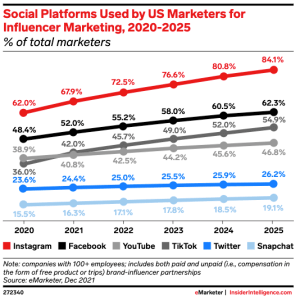
Top Social Platforms Used by US Marketers for Influencer Marketing 2020-2025

Influencer marketing has become a popular marketing strategy for many companies and marketers in the US. With the rise of social media, influencer marketing has become a crucial part of many brands’ marketing strategies. In this blog post, we will discuss the social platforms that were used by US marketers for influencer marketing from 2020 to 2025.

  1. Instagram: Instagram remains one of the most popular social platforms for influencer marketing. It is a visual platform that allows marketers to showcase their products and services through pictures and videos. Instagram has over 1 billion monthly active users, making it a prime platform for influencer marketing.
  2. TikTok: TikTok, the short-video-sharing app, has recently exploded in popularity. It has become a popular platform for influencer marketing, especially among younger audiences. With its emphasis on creativity and user-generated content, TikTok allows marketers to reach a large, engaged audience.
  3. YouTube: YouTube has long been a popular platform for influencer marketing. As the largest video-sharing platform, it offers marketers a massive audience for their influencer campaigns. Marketers can use YouTube to create engaging video content that promotes their products and services.
  4. Pinterest: Pinterest is a visual discovery platform that allows users to save and share images and videos that interest them. It has become a popular platform for influencer marketing, especially in the fashion, beauty, and home decor industries. With its large and engaged user base, Pinterest provides marketers with a unique opportunity to reach consumers who are actively seeking inspiration and ideas.
  5. Facebook: Facebook remains one of the most popular social platforms in the world, with over 2.8 billion monthly active users. While it may not be as popular as other platforms for influencer marketing, it still offers a large audience and provides marketers with a variety of targeting options.
  6. Snapchat: It is difficult to make an accurate forecast for Snapchat’s influencer marketing in the next few years as it depends on various factors such as the platform’s success in improving its advertising capabilities and measurement tools, the growth of its user base, and the competition from other social media platforms. However, if Snapchat continues to make progress in these areas and provides marketers with a way to effectively reach and engage with their target audience, it could become a more popular platform for influencer marketing in the future.

In conclusion, US marketers have been using a variety of social platforms for influencer marketing from 2020 to 2025. While Instagram remains the most popular platform, other platforms like TikTok, YouTube, Pinterest, and Facebook also offer unique opportunities for influencer marketing. As social media continues to evolve, it is likely that new platforms will emerge, offering marketers even more opportunities to connect with their target audiences through influencer marketing.

Unleash the Power of Influence: The Ultimate Guide to Becoming a Social Media Superstar!

Becoming a social media influencer can be a rewarding and exciting career path, allowing you to share your passions and interests with a large audience while also potentially earning money through sponsored content and collaborations. However, the path to success as an influencer can be challenging and requires a combination of strategic planning, hard work, and patience.

Step 1: Choose a niche
The first step in becoming a successful influencer is to choose a niche or area of focus. This could be a particular hobby or interest, such as beauty, fashion, or travel, or a specific demographic, such as parenting or fitness. By focusing on a specific niche, you will be able to build a dedicated following of people who are interested in the same topics as you. For example, if you are passionate about cooking, you could create a food blog and share recipes and cooking tips.

Here are a few examples of influencers from different niches:

Beauty: Huda Kattan, also known as Huda Beauty, is a makeup artist and beauty influencer with over 52 million followers on Instagram. She is known for her makeup tutorials and product reviews and has also launched her own successful line of beauty products.
Fitness: Kayla Itsines is a personal trainer and fitness influencer with over 12 million followers on Instagram. She is known for her Bikini Body Guides and her emphasis on healthy living and body positivity.
Travel: Chris Burkard is a professional photographer and travel influencer with over 4 million followers on Instagram. He is known for his stunning photographs of outdoor adventures and remote locations and has also published several books and produced a documentary.
Food: Tasty, is a YouTube channel and social media brand that creates and shares food videos, with over 80 million followers on YouTube and Facebook. They are known for their recipe videos that are simple, fast, and easy to make.
Fashion: Chiara Ferragni, also known as The Blonde Salad, is a fashion blogger and influencer with over 21 million followers on Instagram. She is known for her personal style and collaborations with major fashion brands.

These are just a few examples, there are many influencers in different niches such as parenting, technology, entertainment, etc.

Step 2: Build your brand

Once you have chosen your niche, the next step is to build your brand. This includes creating a consistent aesthetic for your content and developing a unique voice and personality. This will help you to stand out from the crowd and make it easier for your followers to recognize and remember you. For example, if you are passionate about fashion, you could develop a signature style that reflects your personal taste and create a cohesive look for your Instagram feed.

Step 3: Create engaging content

Creating engaging and high-quality content is essential for growing your following and building a loyal audience. This includes taking the time to create visually appealing and well-written posts that are relevant to your niche and align with your brand. For example, if you are a travel influencer, you could create a mix of content such as written blog posts, videos, and photographs of your adventures. SPE format to master short form content. Using the SPE format (Serial Position effect) is a great way to make sure your content is structured to keep people hooked. With attention spans sinking, it’s important to pay attention to the formats you use on social media. New trends, like short TikTok videos with gaming clips, show that users are looking for content that is easy to consume in short bursts.

You don’t have to create content on a daily basis, you can post 3-4 times each week, posting daily is good to grow faster but if you can’t provide it then reduce the times of posting, meanwhile focus on the quality of your videos. It is advisable to keep up with the trends, so whenever there is a new trend, post a video and use the trendy sounds as well.

When you’re first starting out on social media, don’t just focus on making posts. It’s important to keep your community engaged through features like Instagram Stories/Reels or comments. When you’re researching content ideas, keep an eye out for popular keywords in your industry. They’ll help you stay on top of the latest trends. Being consistent doesn’t mean you need to post every day. It means sticking to a content style that will keep people interested.

Social Media Strategy ≠ Content Strategy. Your social media strategy is all about getting people to your page, but your content strategy is what will keep them there and make them want to buy.

Step 4: Utilize social media platforms

Social media platforms, such as Instagram, TikTok, YouTube, and Twitter, are essential tools for building your following and growing your influence. It’s important to choose the platforms that are most relevant to your niche and where your target audience is most active. For example, if you are a beauty influencer, Instagram and YouTube might be the most effective platforms to share your content and engage with your followers. Understanding Broad Audiences. Before you start focusing on specific audiences, take the time to understand the overall appeal of each platform.
social Platforms Influencer

Influencers typically optimize their social media platforms through a combination of strategies, including:

1. High-quality images and videos: Influencers often use high-quality images and videos to showcase their products, services, or experiences. They use visual storytelling to capture their audience’s attention and make their content more engaging.

2. Consistent aesthetic: Many influencers develop a consistent aesthetic for their content, which helps to create a cohesive look and feel across their social media platforms. This can include using specific filters, color schemes, or layouts to create a recognizable brand identity. Visuality Speaks on Pinterest. Pinterest is all about aesthetics, so make sure you’re curating boards that represent your niche and focus on visual content.

3. Hashtags: Influencers use hashtags to make their content more discoverable and increase their reach. They use popular and relevant hashtags that are related to their niche to connect with their target audience. Remember Keywords lead to Hashtags. It’s not just about using hashtags, it’s also about understanding what people are searching for so you can use the right ones.

4. SEO (Search Engine Optimization): Influencers use SEO techniques to make their content more discoverable on search engines. They use keywords in their bio, captions, and post titles, which helps their content to appear in search results.

5. Engaging captions and call-to-action: Influencers use captions and call-to-action to engage with their audience and encourage them to take specific action. They use questions, prompts, and comments to start conversations and encourage their followers to participate. Incorporating user-generated content (UGC) into your social media feeds can help make your brand feel more relatable and personal to your followers. Using clickbait headlines can be a good way to grab attention, but make sure you’re also telling a story that leads up to your call-to-action.

6. Don’t pin Viral Posts. Viral posts might seem like a good idea, but remember that they’re not always tailored to your specific audience. Make Them Question or Answer First. Make sure you’re engaging with your followers by asking questions and encouraging them to answer

7. More than 1 link decreases conversions. Keep it simple by including just one link. Too many options can be overwhelming for people.

8. Algorithm Moderates, you repurpose. Platforms like TikTok and Instagram use algorithms to moderate content, sometimes resulting in engagement rate fluctuations. To overcome this, it can be helpful to repurpose popular content from the past to keep your engagement rates steady. Algorithm Moderates, you repurpose. Platforms like TikTok and Instagram use algorithms to moderate content, sometimes resulting in engagement rate fluctuations. To overcome this, it can be helpful to repurpose popular content from the past to keep your engagement rates steady.

9. Paid Advertising: Influencers also use paid advertising on social media platforms, such as Instagram and Facebook, to reach a larger audience. They use sponsored posts, stories, and influencer marketing campaigns to promote their content and increase their visibility.

10. Collaboration: Influencers also collaborate with other influencers, brands, and companies to reach new audiences and increase their visibility. They can collaborate on social media campaigns, sponsored posts, and product reviews.

11. Social Media is more about networking. Social media is becoming increasingly pay-to-view, with platforms like YouTube and TikTok relying on recommendations to drive traffic. It’s important to remember that social media is about connecting with your audience, not just reaching them through ads. Building an engagement strategy, networking, and showing your audience why they should care about your brand are all key to success.

12. Perform a Year-End Social Media Business Audit. As the year comes to a close, it’s important for businesses to take stock of their social media efforts and assess what has been working well and what areas need improvement. A year-end social media business audit can help you identify areas for growth and set goals for the coming year. A social media audit is a process used to measure the success of your social strategy across accounts and networks. An audit identifies your strengths, weaknesses, and the next steps needed to improve.

By using a combination of these strategies, influencers can optimize their social media platforms and increase their reach and engagement with their audience.

Step 5: Network and collaborate

Networking and collaborating with other influencers and brands in your niche can help to grow your following and open up new opportunities for monetization. For example, if you are a fashion influencer, you could reach out to clothing brands and offer to feature their products in your content.

Step 6: Be patient and persistent

Building a successful following as an influencer takes time and patience. Be consistent in your posting and engagement with your audience, and don’t get discouraged if you don’t see immediate results. Remember that building a following takes time and effort, but with patience, persistence, and a solid strategy, you can become a successful influencer.

There are companies that help manage and boost a social media influencer’s presence and reach. These companies are commonly known as talent agencies, influencer marketing agencies, or influencer management companies. They offer a wide range of services, including:

1. Audience analysis and targeting: These companies can analyze an influencer’s audience and help them identify their target audience and the best platforms to reach them.
2. Content creation and strategy: They can help influencers create and plan their content and develop a content calendar to ensure consistency and engagement.
3. Campaign management: They can help influencers secure brand partnerships, sponsorships, and collaborations, and manage the logistics of these campaigns.
4. Analytics and reporting: They can track and analyze an influencer’s performance, such as engagement rates and click-through rates, and provide regular reports on their progress.
5. Legal and financial services: They can help influencers with legal and financial matters related to their work, such as contract negotiations and tax compliance.
6. Talent management: They can help influencers with personal branding, public relations, and career management.
7. Paid Advertising: Some agencies also offer paid advertising services, such as social media advertising campaigns, which help influencers reach a larger audience and increase their visibility.

Here are a few examples of companies that manage social media influencers:

1. The Influencer Agency: a full-service agency that specializes in influencer marketing, content creation, and talent management. They work with a wide range of clients, including brands, celebrities, and influencers across various niches.

2. Tribe: A platform that connects brands with social media influencers, it allows influencers to create campaigns, track their performance, and get paid.

3. Hootsuite Influencer: A platform that helps brands identify, engage and measure the impact of influencers on their social media campaigns. Hootsuite has a great article on how much influencers make on each social media network here and below:

Influencer rates

4. Klear: A platform that provides influencer research and analytics, it allows brands and agencies to identify, engage and measure the impact of influencers on their social media campaigns.

5. Influencer.co: A platform that connects brands with influencers, it provides a range of services such as campaign management, influencer research, and analytics.

Here are a few tips on how to reach out to influencer management companies and capture their attention:

1. Research the company: Before reaching out, take the time to research the company and familiarize yourself with its services, clients, and the types of influencers they work with.

2. Tailor your pitch: When reaching out, tailor your pitch to the specific company and show that you have done your research. Explain why you would be a good fit for their agency and how your skills and experience align with their services and clients.

3. Showcase your portfolio: Include a link to your social media profiles and a portfolio of your work. Make sure your content is high-quality and relevant to the niche you want to work in.

4. Have a solid online presence: Having a strong online presence, such as a website or a blog, will give you an advantage when reaching out to companies.

5. Network: Networking is a great way to meet people in the industry and get your name out there. Attend events, and conferences and participate in online groups that are related to your niche, this will give you the opportunity to meet people who might be interested in working with you.

6. Be professional: When reaching out to companies, make sure to be professional and polite in your communication. Follow up with them if they don’t respond, but be respectful of their time and don’t be overly persistent.

Remember that building a relationship with these companies takes time and effort, but with patience, persistence, and a solid strategy, you can turn your passion into a successful career.

Bonus tip: Here are a few examples of conferences that an aspiring influencer can attend to gain exposure and network with industry professionals:

1. Influencer Marketing Show: This conference, held in London and New York, brings together influencer marketing experts, brands, and agencies to discuss the latest trends and strategies in the industry.

2. BlogHer: This annual conference is one of the largest events for women bloggers, influencers, and content creators, it provides a platform for attendees to learn about the latest strategies, connect with other bloggers and brands, and gain exposure for their work.

3. VidCon: This annual conference is focused on the online video industry, it brings together creators, brands, and industry professionals to discuss the latest trends and strategies in the world of online video.

4. SXSW: South by Southwest (SXSW) is a set of film, interactive, and music festivals and conferences that take place every spring in Austin, Texas, USA. It’s a great platform for creators, influencers, and industry professionals to connect, learn and showcase their work.

5. Social Media Marketing World: This annual conference is focused on social media marketing, it brings together industry experts, brands, and influencers to discuss the latest trends and strategies in the world of social media.

6. Digiday Content Marketing Summit: This conference brings together publishers, brands, and agencies to discuss the latest trends and strategies in content marketing, it’s a great platform to learn about the industry and network with other professionals.

In summary, by following these tips and advice, you can increase your chances of capturing the attention and grow your specific Social Media account and ultimately become a Social Media influencer superstar!

How influencers optimize their platforms for maximum engagement and reach

Influencers typically optimize their social media platforms through a combination of strategies, including High-quality images and videos, Consistent aesthetic, Hashtags, SEO (Search Engine Optimization), Engaging captions and call-to-action, Paid Advertising, and Collaboration.