Are you looking for a lucrative side hustle that allows you to make money from the comfort of your own home? Selling digital products on Etsy, such as PDFs, spreadsheets, and PowerPoint templates can be an excellent way to earn some extra cash.
Here are a few potential niches you could consider:
- Printable art: This is a popular niche on Etsy, and you can create and sell downloadable prints of your own artwork, designs, or photographs.
- Wedding invitations: If you have a talent for graphic design, you can create beautiful wedding invitation templates that customers can customize themselves.
- Digital planner pages: With the growing popularity of digital planners, you can design and sell digital planner pages that customers can use to plan and organize their lives.
- Social media templates: As more and more people use social media for marketing and branding, you can create and sell templates for posts, stories, and ads that customers can use to elevate their online presence.
- Resume templates: If you have experience in human resources or recruiting, you can design and sell resume templates that help job seekers stand out in a crowded job market.
While earnings can vary widely depending on factors such as the type of products you sell, their price point, and the amount of marketing you do, according to Etsy's 2020 Q2 financial report, the marketplace generated over $346 million in revenue from digital sales during that quarter alone. This indicates that there is a significant market for digital products on Etsy and the potential for sellers to make a substantial amount of money from their sales.
It’s important to note that there are costs associated with selling on Etsy, such as listing fees, transaction fees, and payment processing fees, which can impact your earnings. Additionally, you’ll need to invest time and effort into creating high-quality products, marketing your shop, SEO (creating searchable hashtags) and providing excellent customer service to increase your sales and grow your revenue.
Its crucial to set up and optimize an Etsy shop! If you’re looking for a platform to get your products online quickly, Etsy is a great place to start.
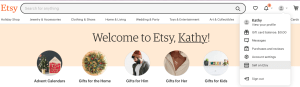
- Creating an Etsy account is the first step toward launching your storefront. To open a shop online, you must first become a registered site member. Once you have an Etsy account, you can open a shop.
- Next, you will need to choose a name for your Etsy store. Etsy requires each shop owner to use a unique name, so it’s common for sellers to find that their first choice is unavailable
- Choose your products. You can sell almost anything like eBooks, PDF & PowerPoint templates in your Etsy shop, but it’s best to start by focusing on a few complementary products so customers will understand what your shop is all about.
- Create your shop. When opening an Etsy shop, the site will direct you through the process of creating your online storefront and choosing your language and currency preferences.
- A common question for first-time sellers is how to price items on Etsy. Correctly pricing your products ensures you get the best return on investment (ROI), but it will take some time and analysis.
- Before opening your Etsy shop to customers, make sure you have enough products to sell. You don’t want to run out after your first few sales and have to scramble to produce more. You also don’t want to overstock any one item. Digital products such as “templates” are easier to stock as they live in the cloud (Etsy shop).
- After Etsy approves your shop name and you have all of your inventory ready, you can start listing on Etsy. The key to solid Etsy sales is good product photos and a killer description that uses industry keywords.
- Next, you’ll need to choose the type(s) of payments you’ll accept. Etsy Payments is the most popular route on Etsy as it allows you to accept credit cards, debit cards, Apple Pay, PayPal, Etsy gift cards, and some bank transfer services.
- Receive orders: When a customer purchases an item from your shop, the payment is processed through Etsy Payments, and the funds are held by Etsy until the order is marked as shipped or the digital product has been downloaded. Once you’ve shipped the physical item, you should mark the order as shipped on Etsy, which releases the payment to your account. The payment will be deposited into your bank account within a few business days, depending on your location and bank.
- Learning to package your products safely and securely and ship them quickly helps build your reputation on Etsy. Buy proper shipping supplies, and use bubble wrap for delicate items. On Etsy, you can use calculated shipping so the shipping is automatically calculated for you. Calculated shipping looks at your location, the buyer’s location, and the size and weight of the listing item to determine the shipping cost. Again, selling “digital products” are MUCH easier than actual products such as art, clothes, etc., as you don’t have to worry about drop shipping.
As of 2023, here are the current fees for selling on Etsy:
- Listing Fees: It costs $0.20 USD to list an item on Etsy, and the listing remains active for four months or until the item sells, whichever comes first.
- Transaction Fees: When an item sells, Etsy charges a transaction fee of 5% of the item’s sale price, including the cost of shipping. This fee also applies to any applicable sales tax.
- Payment Processing Fees: If you use Etsy Payments to process your sales, you’ll be charged a payment processing fee, which varies depending on your location and the currency you use. For sellers based in the United States, the payment processing fee is 3% + $0.25 USD per transaction.
Etsy Payments also handles any necessary refunds or disputes, and provides you with a record of all your transactions and payments. It’s important to note that there are fees associated with using Etsy Payments, as mentioned in my previous response.
Selling digital products on Etsy can be a great way to make money on the side, especially if you have a talent for creating unique and useful products such as PDFs, spreadsheets, and PowerPoint templates. By following the strategies and tips outlined in this article, you can create a successful side hustle that not only generates extra income but also allows you to express your creativity and passion. Remember to put in the time and effort to create high-quality products, optimize your listings, and promote your products to your target audience. With persistence and dedication, your Etsy side hustle can become a valuable source of income and a fulfilling hobby.
*If your interested in selling handmade or unique items online, I have another great article on a beginner's guide to selling handmade or unique items online and making money here.



 Online Marketing Juice